

The Pulse of Our Planet: Unraveling the Threads of Global Events
In an era where information travels at the speed of light and borders blur under the weight of interconnected economies, global events shape not just headlines but the very fabric of our daily lives. From geopolitical shifts to environmental crises, technological revolutions to cultural movements, the world is a dynamic tapestry of interwoven narratives. Understanding these events isn’t just about staying informed—it’s about grasping the forces that drive change, influence decisions, and redefine the future. This article dives into the heart of global events, exploring their origins, impacts, and the invisible threads that connect them all.
The Nature of Global Events: More Than Just Headlines
At first glance, global events might seem like isolated incidents—natural disasters, political upheavals, economic crashes, or breakthrough innovations. However, their true significance lies in their ripple effects. A single event can trigger a cascade of consequences, altering supply chains, reshaping alliances, or even redefining societal norms. For instance, the COVID-19 pandemic wasn’t merely a health crisis; it exposed vulnerabilities in global healthcare systems, accelerated digital transformation, and forced nations to rethink immigration policies.
The interconnectedness of modern society means that even local events can have global repercussions. Consider the 2021 Suez Canal blockage, where a single container ship grounded for just six days disrupted worldwide trade, costing billions. Such incidents highlight how fragile our global systems can be—and how quickly they can adapt when faced with disruption. This interdependence underscores the need to view global events not in isolation but as part of a larger, ever-evolving system.
Major Categories of Global Events
Global events can be broadly categorized into several key areas, each with its own set of drivers, stakeholders, and consequences. Understanding these categories helps in analyzing their broader implications.
- Geopolitical Events: These include wars, diplomatic tensions, elections, and shifts in power dynamics. Examples range from the Russia-Ukraine conflict to Brexit, each reshaping alliances and influencing international trade.
- Economic Events: Financial crises, market crashes, trade wars, and technological disruptions fall under this umbrella. The 2008 financial crisis and the rise of cryptocurrencies are prime examples of how economic events can redefine global power structures.
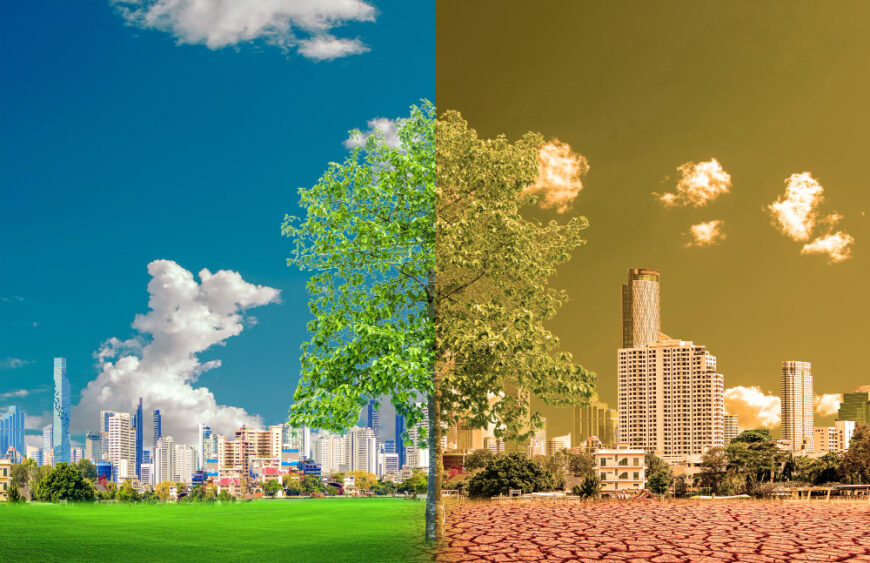
- Environmental Events: Climate change, natural disasters, and ecological collapses are increasingly dominating global discourse. Events like the Australian bushfires or the melting of Arctic ice serve as stark reminders of humanity’s impact on the planet.
- Technological Events: Rapid advancements in AI, space exploration, and biotechnology are transforming industries and societies. The launch of ChatGPT or SpaceX’s Starship are milestones that redefine what’s possible.
- Social and Cultural Events: Movements like #MeToo, Black Lives Matter, or the global push for LGBTQ+ rights demonstrate how societal shifts can influence policies, corporate practices, and public opinion worldwide.
- Health Crises: Pandemics, drug breakthroughs, and public health policies fall into this category. The eradication of smallpox or the ongoing fight against antimicrobial resistance are critical health events with global ramifications.
The Invisible Threads: How Global Events Are Connected
One of the most fascinating aspects of global events is how they often share underlying connections. These threads might not always be obvious, but they reveal a deeper understanding of cause and effect in our world.
For example, consider the relationship between climate change and migration. As rising temperatures make certain regions uninhabitable, mass migration becomes inevitable. This, in turn, fuels political debates in destination countries, influences economic policies, and even sparks conflicts over resources. Similarly, technological advancements like AI aren’t just about innovation—they also disrupt labor markets, raise ethical questions, and force governments to rethink education systems.
Another illustrative example is the interplay between economic policies and social unrest. Austerity measures in response to economic crises often lead to widespread protests, as seen during the Arab Spring or the Yellow Vest movement in France. These events highlight how decisions made in boardrooms or legislative halls can spark groundswells of public anger.
The Role of Media and Misinformation in Shaping Global Narratives
In today’s digital age, the way global events are reported—and sometimes misreported—plays a crucial role in shaping public perception. Social media platforms have democratized information but also amplified misinformation, deepfakes, and partisan narratives. The speed at which news spreads can lead to both rapid awareness and hasty judgments.
For instance, during the 2020 Black Lives Matter protests, misinformation about the movement’s goals and participants spread almost as quickly as the truth. Similarly, conspiracy theories about COVID-19 origins fueled vaccine hesitancy and undermined public health efforts. The challenge lies in separating signal from noise—identifying credible sources while navigating a landscape saturated with conflicting information.
Journalism’s role has never been more critical. Investigative reporting, fact-checking organizations, and transparent journalism are vital in ensuring that global events are understood in their proper context. Yet, the proliferation of citizen journalism and algorithm-driven content feeds means that consumers must also take responsibility for critically evaluating the information they consume.
Navigating the Future: Preparing for What Lies Ahead
As we look to the future, the unpredictability of global events demands adaptability and foresight. While no one can predict the next crisis, understanding historical patterns and emerging trends can help individuals, businesses, and governments prepare more effectively.
For businesses, this might mean diversifying supply chains, investing in sustainable practices, or preparing for remote work as a permanent fixture. For policymakers, it involves strengthening international cooperation on climate action, cybersecurity, and public health. For individuals, it’s about staying informed, engaging in civic duties, and fostering resilience in the face of uncertainty.
The COVID-19 pandemic taught us that global challenges require global solutions. No nation or sector can tackle issues like pandemics, climate change, or economic inequality in isolation. The future will be shaped by our collective ability to collaborate, innovate, and adapt.
Conclusion: The Ongoing Story of Humanity
The pulse of our planet is a complex rhythm, composed of countless events that shape our collective journey. From the smallest local changes to the most far-reaching global shifts, each event is a thread in the larger tapestry of human history. By unraveling these threads, we gain not just knowledge but the power to influence the future.
In a world where change is the only constant, the ability to understand, analyze, and respond to global events is more important than ever. Whether you’re a student, a professional, a policymaker, or simply a curious observer, staying engaged with the world around us is the first step toward making a difference. The next chapter of our planet’s story is still being written—and it’s up to all of us to shape it.


More Stories
How Global Events Affect Daily Life
Essential Updates from Across the Globe
Top Headlines Worth Your Attention