
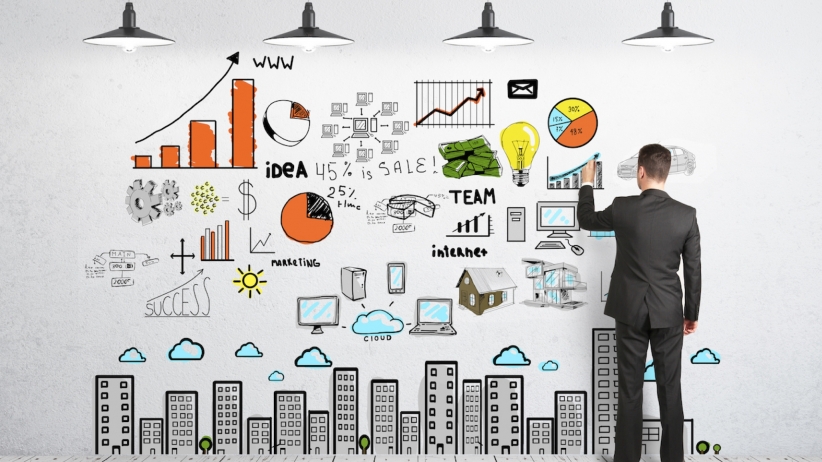
The modern marketplace thrives on the transformative power of innovations economy influence. From disruptive technologies to novel business models, innovation shapes the way enterprises operate, economies evolve, and societies adapt. Entrepreneurs, policymakers, and investors alike are constantly seeking to understand which innovations can drive growth, efficiency, and competitiveness. The intersection of creativity, technology, and strategic thinking is where the most remarkable business opportunities emerge.
Technological Disruption and Automation
Automation has become a cornerstone of modern business strategy. Artificial intelligence, machine learning, and robotic process automation streamline operations, reduce human error, and enable rapid decision-making. These technological advancements allow companies to scale efficiently while reallocating human resources to higher-value tasks. As automation evolves, the economy experiences shifts in employment patterns, productivity rates, and competitive dynamics.
Blockchain and distributed ledger technology also redefine transactional transparency and security. By eliminating intermediaries, businesses can execute contracts, track assets, and validate transactions with unprecedented efficiency. The ripple effect on the broader economy includes improved trust in financial systems and accelerated international trade.
Digital Transformation in Business Models
Businesses embracing digital transformation gain an edge in responsiveness and agility. Cloud computing, e-commerce platforms, and virtual collaboration tools have expanded the boundaries of traditional enterprise operations. Organizations that adopt these solutions can engage global markets, streamline supply chains, and enhance customer experiences. The influence of such innovations on the economy is multifaceted, driving both microeconomic efficiency and macroeconomic growth.
Data Analytics and Decision Intelligence
Data is the new currency in the era of innovation. Advanced analytics, predictive modeling, and decision intelligence tools empower businesses to extract actionable insights from vast datasets. Organizations can anticipate market trends, optimize pricing strategies, and personalize offerings to meet consumer demands. Economically, the proliferation of data-driven decision-making fosters efficiency, reduces waste, and encourages evidence-based policy interventions.
Sustainable Innovations and Green Economy
Sustainability has emerged as a critical driver of innovation. Renewable energy technologies, circular economy models, and eco-conscious supply chains influence both business strategy and economic priorities. Companies investing in green technologies not only reduce operational costs but also attract environmentally aware consumers and investors. These innovations reshape energy markets, reduce carbon footprints, and foster long-term economic resilience.
Fintech and Financial Inclusion
Financial technology innovations continue to transform the landscape of global commerce. Mobile banking, digital wallets, and decentralized finance platforms expand access to financial services, enabling entrepreneurial activity in previously underserved regions. The economy benefits from increased capital flow, reduced transaction costs, and enhanced liquidity. Furthermore, fintech innovations encourage transparency and democratize opportunities for individuals and businesses alike.
Health and Biotech Innovations
Healthcare and biotechnology innovations have far-reaching implications for the economy. Telemedicine, personalized medicine, and advanced biotech research improve population health while reducing systemic inefficiencies. Healthier workforces contribute to increased productivity, lower absenteeism, and stronger economic performance. Additionally, biotech advancements create new markets, jobs, and investment avenues, illustrating the profound influence of innovation on economic vitality.
Cultural and Behavioral Innovation
Innovation is not confined to technology. Organizational culture, customer engagement strategies, and behavioral insights are reshaping business models. Companies leveraging human-centric innovation can enhance employee satisfaction, improve customer loyalty, and differentiate themselves in competitive markets. These softer innovations influence economic outcomes by fostering productive workplaces, reducing turnover costs, and stimulating creative industries.
Global Connectivity and Trade Innovations
The digital age has redefined global commerce through innovations in logistics, trade platforms, and communication networks. Businesses can reach international markets with minimal friction, while supply chain innovations reduce costs and delivery times. Economically, these advancements increase trade volume, diversify markets, and enhance global competitiveness. Innovations in cross-border payments and smart contracts further streamline international business transactions, reinforcing interconnected economies.
Education and Skill Development Innovations
Continuous learning and skill acquisition are central to sustaining economic growth amid technological change. Online learning platforms, virtual training programs, and micro-credentialing equip workers with the competencies required for emerging industries. Businesses benefit from a highly skilled workforce capable of leveraging advanced technologies, while economies enjoy enhanced productivity and adaptability.
Policy and Regulatory Innovation
Innovations in policy and regulation shape the environment in which businesses operate. Smart regulations, incentive frameworks, and adaptive governance models encourage investment, entrepreneurship, and sustainable growth. By fostering innovation-friendly ecosystems, governments can enhance economic dynamism, attract foreign investment, and stimulate competitive markets. These interventions highlight the interplay between institutional innovation and economic performance.
The pervasive impact of innovations economy influence underscores the transformative power of creativity, technology, and strategy. From automation and digital transformation to sustainable practices and fintech solutions, innovation reshapes business operations and stimulates economic growth. Entrepreneurs and policymakers who embrace these advancements position themselves to harness emerging opportunities while mitigating challenges. In an era defined by rapid change, the most successful entities are those that integrate innovation into the very fabric of their strategies, driving both business success and economic vitality.
Tags: business innovation, economic growth, technological disruption, fintech, sustainability, digital transformation, automation, biotech, global trade, data analytics




More Stories
Future-Proofing Your Business: Navigating the Next Wave of Innovation
The Future of Business: Navigating Tomorrow’s Trends
The Future of Business: Emerging Trends Reshaping Success in 2024