
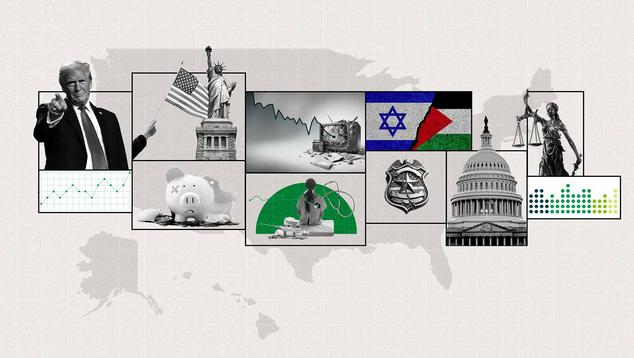
The landscape of global policymaking is in constant motion, and the latest developments reflect a world grappling with rapid societal, technological, and economic transformations. In the opening discourse, politics government trends continue to shape debates about accountability, citizen engagement, and the role of public institutions. As nations adapt, the methods through which leaders respond to these demands grow increasingly intricate, yet also more transparent in form.
Rising Demand for Government Transparency
One of the most noticeable evolutions in governance is the heightened insistence on transparency. Citizens across continents are vocal about wanting accessible information related to budgets, public spending, and policy formulation. This is not merely a legislative preference but a cultural shift. People want to see how decisions are made. They want clarity on intentions and clarity on consequences. Governments are responding by enabling open data platforms, releasing comprehensive reports, and adopting digital tools that simplify public monitoring.
Transparency builds trust. Trust influences cooperation. When communities feel genuinely involved, societal cohesion strengthens. This transformative pattern indicates that the future of governance is inseparable from the public’s right to insight and understanding.
Technological Adaptation in Government Systems
Technology continues to be one of the most influential forces propelling government evolution. Nations are expanding digital public services, integrating artificial intelligence for administrative efficiency, and developing cybersecurity frameworks that safeguard national infrastructure. Applications that once required long queues or messy paperwork now take minutes on a mobile device. These modernized systems reflect a government that is not only adapting but reinventing itself.
Artificial intelligence plays a particularly profound role. It supports data analysis for policymaking, enhances emergency response systems, and strengthens verification processes for citizen identification. Yet, with each advancement emerges a parallel concern about privacy, data autonomy, and ethical standards. Balancing innovation with protection remains one of the defining challenges of contemporary governance.
Youth Participation and Shifting Political Culture
Younger generations are stepping into the political sphere with a vigor that reshapes traditional expectations. Their priorities differ. Their communication style differs. They are unafraid to question institutions and demand reforms. Whether through voting behavior, digital activism, or community involvement, the youth demographic is introducing a new rhythm to public decision making.
More conversations revolve around climate policy, equality, digital rights, and education reform. These discussions are not peripheral. They occupy mainstream attention and push governments to consider long term implications rather than short term solutions. As a result, political culture is becoming more inclusive and more future oriented.
Global Cooperation and Multinational Alliances
The interdependence of nations has never been more evident than in recent years. Issues such as global health, energy security, and humanitarian crises require collective cooperation. Diplomats and policymakers are increasingly leaning on alliances that support coordinated responses. Multinational agreements create frameworks that encourage shared responsibility and mutual benefit.
However, cooperation is not always seamless. Differing national interests and geopolitical tensions complicate negotiations. Even so, the overarching trajectory points toward collaboration as a necessity rather than an option. The ability of governments to communicate effectively and compromise strategically will shape future international stability.
The Rise of Evidence Based Policymaking
Evidence based policymaking is becoming a cornerstone of modern governance. Leaders are moving away from intuition driven decisions and turning toward comprehensive research, socioeconomic data, and impact assessments. This shift allows for more precise predictions and better resource allocation. It also enhances the credibility of public institutions.
For instance, urban development strategies now incorporate environmental studies, demographic forecasts, and transportation models. Economic plans consider technological implications, labor market fluctuations, and regional disparities. This analytical approach reduces guesswork and increases adaptability in complex situations.
Public Expectations and Accountability
Citizens today expect more from their governments. They expect faster service. They expect stronger protection. They expect equitable treatment. This heightened demand places pressure on leaders to deliver results quickly, yet also responsibly. Accountability frameworks, independent oversight agencies, and public feedback channels are becoming standard components of governance systems.
When the public voice carries real weight, institutions become more responsive. Governments that embrace accountability tend to generate higher levels of civic confidence, which in turn supports social stability.
Future Outlook of Governance Trends
Looking ahead, the evolution of governmental systems will likely continue in a direction rooted in innovation, inclusivity, and collaboration. Environmental sustainability will remain a policy priority. Digital transformation will accelerate. Public engagement will deepen across various platforms. Although challenges will persist, opportunities for progress remain abundant.
The world is in an era of recalibration. The relationship between people and institutions is being rewritten. Governance is no longer defined solely by authority but by cooperation, adaptability, and shared purpose. As these transformations unfold, societies move closer to systems that reflect collective aspirations and enduring resilience.

More Stories
Revolution in the Making: Unpacking the Surprising Shifts in Global Political Developments
Reimagining Public Administration: Bridging Theory and Tomorrow’s Challenges
Politics & Government Highlights This Week