

The Art of Slow Living: Cultivating Mindfulness in a Fast-Paced World
In today’s hyper-connected era, where notifications buzz, emails flood inboxes, and deadlines loom around the clock, the concept of “slow living” feels almost radical. The idea isn’t about laziness or inefficiency—it’s about intentionality, presence, and reclaiming control over our time and attention. Slow living is a gentle rebellion against the cult of speed that dominates modern life, offering a path to deeper fulfillment, reduced stress, and a richer experience of the world around us. This article explores what slow living truly means, why it matters, and practical ways to integrate its principles into daily life.
What Is Slow Living?
Slow living is a mindset that prioritizes quality over quantity, depth over breadth, and presence over distraction. It draws inspiration from movements like the Slow Food movement, which advocates for mindful eating, and extends those principles to all aspects of life—work, relationships, hobbies, and self-care. At its core, slow living is about:
- Mindfulness: Being fully engaged in the present moment, rather than multitasking or rushing through tasks on autopilot.
- Simplicity: Decluttering not just physical spaces but also mental and emotional clutter to focus on what truly matters.
- Sustainability: Making choices that align with personal values and the well-being of the planet, such as supporting local businesses or reducing waste.
- Gratitude: Appreciating small, everyday moments rather than constantly chasing the next big achievement.
Contrary to popular belief, slow living isn’t about doing everything at a snail’s pace. Instead, it’s about doing fewer things with greater attention and intention. It’s the difference between gulping down a meal while scrolling through your phone and savoring each bite while engaging in meaningful conversation.
The Paradox of Fast-Paced Living
Our culture often equates speed with productivity and success. We glorify the “hustle,” measure worth by how busy we are, and equate busyness with importance. Yet, research consistently shows that constant rushing leads to:
- Increased stress and burnout: Chronic stress disrupts sleep, weakens immunity, and contributes to mental health struggles like anxiety and depression.
- Reduced creativity: The brain needs downtime to make connections, solve problems, and generate new ideas. Speed often stifles this process.
- Shallow relationships: When we’re always “on,” we miss the depth and nuance of human connection, which are essential for emotional well-being.
- Missed experiences: Life passes us by when we’re not fully present, leaving us with a sense of emptiness despite our accomplishments.
Slow living isn’t about rejecting ambition or productivity—it’s about redefining what those terms mean. It’s possible to achieve great things while also enjoying the journey, rather than treating life as a series of boxes to check off as quickly as possible.
How to Cultivate Slow Living in a Fast World
Transitioning to a slower pace doesn’t happen overnight, especially in a world designed to keep us moving at breakneck speed. However, small, intentional changes can add up to a significant shift in how you experience life. Here are some practical ways to embrace slow living:
1. Start with Mindfulness
Mindfulness is the foundation of slow living. It’s the practice of being fully present in whatever you’re doing, whether it’s drinking your morning coffee, walking to the store, or having a conversation. To cultivate mindfulness:
- Single-task: Focus on one thing at a time. Put your phone away during meals or when spending time with loved ones.
- Practice deep breathing: When you feel overwhelmed, pause and take a few deep breaths to ground yourself in the present.
- Engage your senses: Notice the sights, sounds, smells, and textures around you. This simple act can anchor you in the moment.
2. Simplify Your Environment
Physical clutter often mirrors mental clutter. A chaotic space can make it harder to focus and relax. To create a calmer environment:
- Declutter regularly: Donate or discard items you no longer use. Keep only what adds value to your life.
- Designate tech-free zones: For example, keep your bedroom free of screens to improve sleep and intimacy.
- Create rituals: Rituals like lighting a candle in the evening or brewing tea can signal to your brain that it’s time to slow down.
3. Reclaim Your Time
Time is one of our most precious resources, yet many of us fritter it away on activities that don’t align with our values. To take back control:
- Say no more often: Not every invitation, meeting, or obligation deserves your energy. Learn to prioritize what truly matters.
- Set boundaries: Whether it’s turning off work notifications after hours or scheduling downtime, boundaries protect your peace.
- Embrace boredom: Allow yourself to be bored without immediately filling the silence with distractions like scrolling. Boredom can spark creativity and self-reflection.
4. Prioritize Quality Over Quantity
In a world obsessed with more—more likes, more followers, more stuff—slow living encourages us to seek depth instead. This could mean:
- Savoring meals: Cook and eat without distractions, appreciating the flavors and textures of your food.
- Deepening relationships: Instead of spreading yourself thin across many acquaintances, invest in a few meaningful connections.
- Choosing meaningful work: If possible, align your career with passions or values that give your life purpose.
5. Connect with Nature
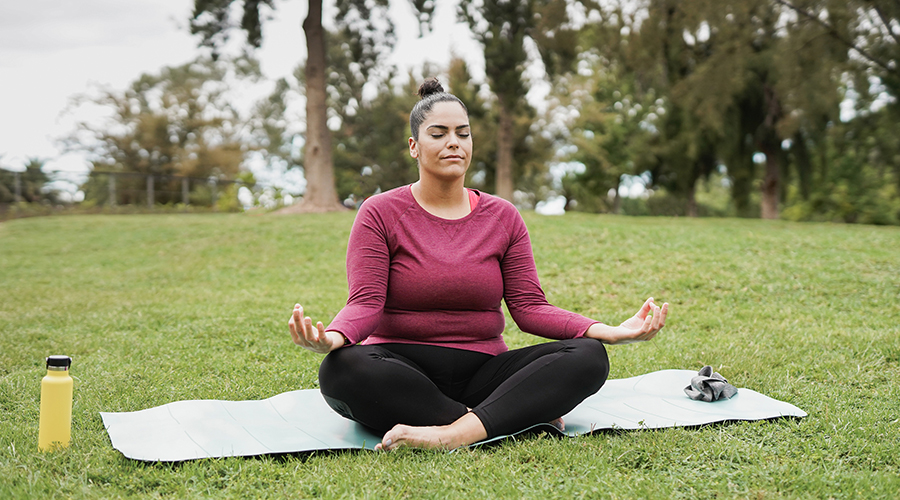
Nature has a natural slow rhythm that can help recalibrate our hurried minds. Spending time outdoors—whether it’s a walk in the park, gardening, or simply sitting under a tree—can reduce stress and restore a sense of calm. Even small doses of nature, like watching the sunset or listening to birdsong, can ground you in the present moment.
6. Practice Gratitude and Reflection
Slow living is as much about what you add to your life as what you remove. Cultivating gratitude helps shift focus from what’s lacking to what’s abundant. Try:
- Keeping a gratitude journal: Write down three things you’re grateful for each day.
- Reflecting daily: Spend a few minutes each evening reflecting on what went well, not just what needs improvement.
- Celebrating small wins: Acknowledge progress, no matter how minor, rather than fixating on the finish line.
The Benefits of Slow Living
Embracing slow living isn’t just about personal comfort—it has tangible benefits for your well-being and the world around you. Some of the most compelling advantages include:
- Improved mental health: Reduced stress, anxiety, and depression are common outcomes of a slower, more mindful lifestyle.
- Enhanced creativity: When you allow your mind to wander and daydream, you open the door to innovative ideas and solutions.
- Stronger relationships: Being fully present with others fosters deeper connections and more meaningful interactions.
- Greater life satisfaction: Studies show that people who prioritize experiences over possessions and presence over busyness report higher levels of happiness.
- Environmental stewardship: Slow living often aligns with sustainable choices, like buying less, wasting less, and supporting ethical businesses.
Perhaps most importantly, slow living allows you to experience life as it unfolds, rather than racing through it in a blur. It’s about finding joy in the ordinary and appreciating the journey as much as the destination.
Overcoming Common Obstacles
Despite its many benefits, slow living isn’t always easy to adopt. Common obstacles include:
- Guilt: Society may judge you for “not doing enough” or “wasting time” when you prioritize rest or leisure. Remember, rest is not a luxury—it’s a necessity.
- Fear of missing out (FOMO): The fear that you’ll miss opportunities or fall behind can make slowing down feel risky. But what are you really missing if you’re not present to enjoy it?
- External pressures: Work cultures, family expectations, or social norms may push you toward busyness. Advocate for your needs and set boundaries where possible.
- Perfectionism: Slow living isn’t about doing it “right.” It’s about progress, not perfection. Start small and be kind to yourself along the way.
If you encounter resistance, remind yourself why you’re embracing this lifestyle. What do you hope to gain? How do you want to feel? Let those answers guide your choices.
Slow Living in a Digital Age
The digital world is designed to keep us plugged in and distracted, making slow living even more challenging. However, technology can also be a tool for slowing down if used intentionally. Consider:
- Setting digital boundaries: Use app timers, turn off non-essential notifications, or schedule “offline hours” each day.
- Curating your feed: Unfollow accounts that promote hustle culture or make you feel inadequate. Fill your feed with content that inspires calm, creativity, or learning.
- Using technology mindfully: When you do use screens, do so with purpose. For example, listen to a podcast while walking instead of mindlessly scrolling.
Remember, technology should serve you—not the other way around. The goal is to use digital tools in ways that enhance your life, not detract from it.
Slow Living as a Lifestyle, Not a Trend
Slow living is often romanticized as a trendy aesthetic—think pottery classes, linen clothing, and artisanal coffee. While these can be part of the experience, slow living is ultimately a deeply personal journey. It’s not about performing slowness for Instagram or adopting a rigid set of rules. Instead, it’s about asking yourself:
- What parts of my life feel rushed or out of control?
- What would it look like to do this with more intention?
- How can I prioritize what truly matters to me?
Slow living is flexible. It might mean cooking a meal from scratch for one person but ordering takeout when you’re exhausted. It might look like a daily meditation practice for one person and a weekly nature walk for another. The key is to find what resonates with you and adapt it to your unique circumstances.
The Ripple Effect of Slow Living
When you embrace slow living, the benefits extend beyond your personal life. Your choices can inspire others to rethink their own habits and priorities. For example:
- A colleague might notice your calm demeanor and ask for advice, leading them to set healthier boundaries at work.
- A friend might join you for a slow walk instead of a rushed coffee date, deepening your connection.
- Your community might see the positive impact of your sustainable choices, encouraging others to follow suit.
Slow living isn’t just a personal practice—it’s a quiet form of activism. By choosing to live more intentionally, you’re challenging the status quo and showing that there’s another way to exist in the world.
Final Thoughts: A Slower, Fuller Life Awaits
In a culture that glorifies speed, slow living is an act of resistance and an invitation to reconnect with what truly matters. It’s not about rejecting progress or ambition but about redefining what those words mean to you. Slow living is about savoring the journey, not just chasing the destination. It’s about finding beauty in the ordinary and depth in the simple moments.
Start small. Choose one area of your life to slow down—whether it’s meals, conversations, or your commute. Notice how it feels. Over time, these small shifts can add up to a life that feels richer, more meaningful, and more aligned with your values. The art of slow living isn’t about doing everything slowly; it’s about doing everything with intention. And in doing so, you might just find that life, in all its messy, beautiful complexity, is worth savoring.


More Stories
Ways to Connect with Culture and Community
Ways to Stay Inspired in Daily Life
Ways to Celebrate Life Every Day