

Introduction & Background
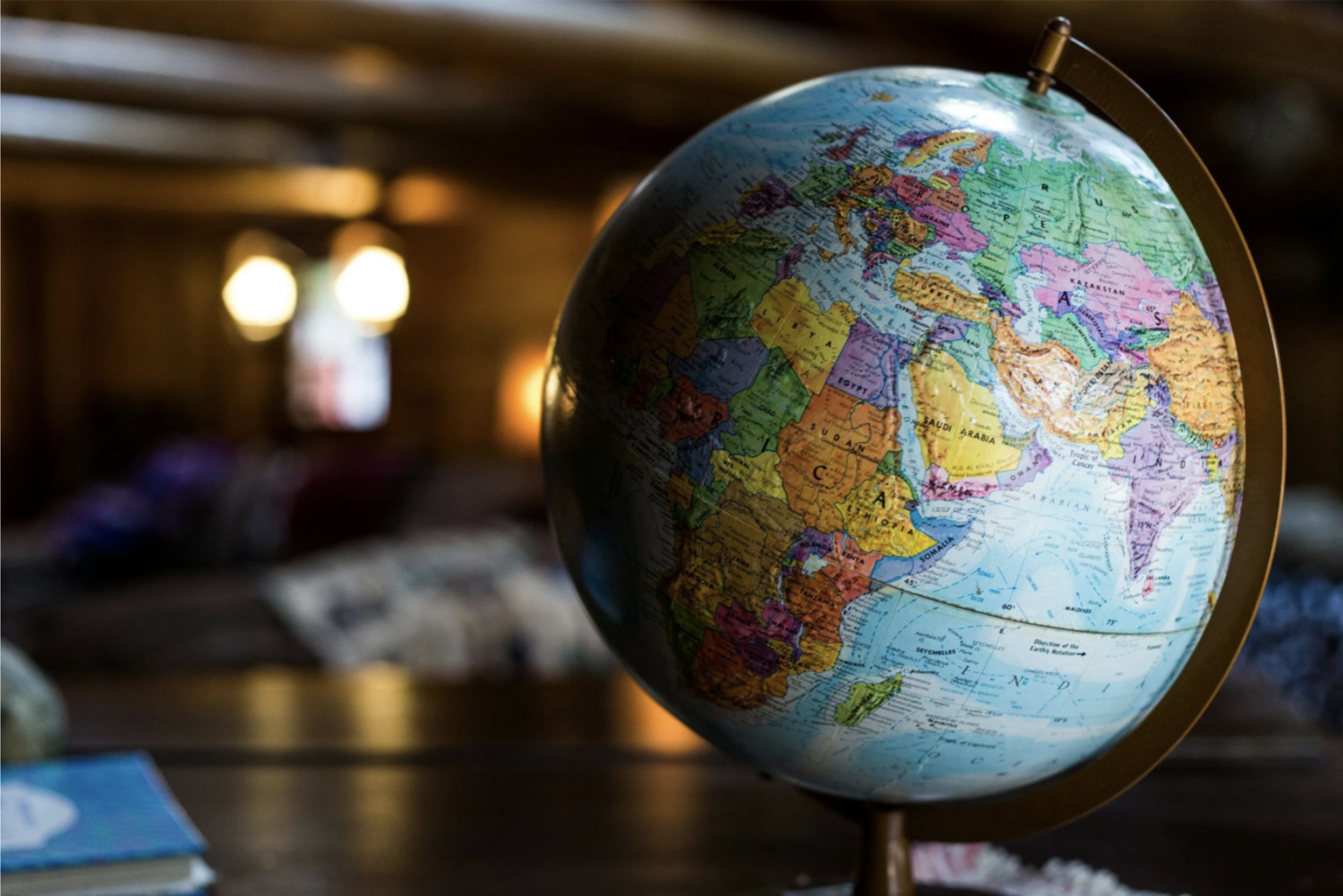
The world today stands at a fascinating crossroads where cultures, traditions, and ideas from every corner of the globe are blending together more than ever before. This phenomenon, often referred to as the “global melting pot,” is not just a metaphor but a reality shaping economies, societies, and individual identities. As technology connects people across continents in real time, cultural exchanges are accelerating, creating both opportunities and challenges. Understanding this trend is essential to navigate the future with awareness and adaptability.
The significance of the global melting pot extends beyond mere cultural exchange. It influences business practices, education systems, and even political landscapes. Countries that once operated in isolation are now intertwined through migration, digital communication, and international trade. This interconnectedness fosters innovation and creativity but also raises questions about identity, tradition, and social cohesion. The way societies respond to these changes will determine the trajectory of global development in the coming decades.
Concept & Overview
The global melting pot represents the dynamic process through which diverse cultures interact, merge, and evolve over time. Unlike earlier periods of cultural exchange, today’s version is fueled by rapid technological advancements and global migration patterns. The concept draws from the idea of a melting pot in which different elements combine to form a new, unified whole. However, unlike a traditional melting pot that implies assimilation, the modern version celebrates diversity while encouraging hybrid identities.
At its core, the global melting pot is driven by several key factors. First, globalization has dismantled geographical barriers, allowing people to share ideas, values, and practices more freely. Second, urbanization has concentrated diverse populations in cities, creating microcosms of the world where cultures interact daily. Finally, digital platforms have democratized cultural expression, giving voices to groups that were once marginalized or silenced. Together, these forces are reshaping how we perceive culture, identity, and belonging in the 21st century.
Key Features & Highlights
- Hybrid Identities: Individuals today often identify with multiple cultural backgrounds, blending traditions, languages, and values in unique ways. This fluidity challenges traditional notions of nationality and heritage.
- Cross-Cultural Collaboration: Businesses, artists, and researchers increasingly collaborate across borders, leading to innovative products, art forms, and solutions that reflect diverse perspectives.
- Language Evolution: English remains a dominant global language, but regional languages are experiencing resurgence as digital platforms allow them to thrive. Code-switching and multilingualism are becoming the norm in many societies.
- Food & Cuisine: Culinary traditions are merging at an unprecedented rate, with fusion restaurants and international ingredients becoming commonplace. This reflects both the movement of people and the adaptation of global tastes.
- Media & Entertainment: Streaming platforms, social media, and gaming have created global audiences for localized content. K-pop, Bollywood, and Afrobeats are just a few examples of how cultural products transcend borders.
- Education & Workplace Diversity: Educational institutions and companies are prioritizing diversity, equity, and inclusion initiatives. This not only reflects societal changes but also aims to prepare future generations for a globalized workforce.
Frequently Asked Questions / Pros & Cons
What are the benefits of a global melting pot culture?
A global melting pot fosters creativity and innovation by bringing together different perspectives. It encourages tolerance and understanding by exposing people to diverse viewpoints. Economically, it can drive growth through increased trade and collaboration. Socially, it enriches communities by preserving traditions while allowing them to evolve.
What are the challenges posed by cultural blending?
One of the primary challenges is the potential loss of cultural heritage as dominant cultures overshadow smaller ones. This can lead to identity crises for individuals caught between traditional values and modern influences. Additionally, rapid cultural change may create social tensions as communities struggle to adapt.
How does technology contribute to the global melting pot?
Technology acts as a catalyst by enabling instant communication and access to global content. Social media platforms allow cultural trends to spread rapidly, while translation tools break down language barriers. Virtual reality and online communities further facilitate cross-cultural interactions without physical movement.
Is cultural assimilation a part of the global melting pot?
Assimilation is one possible outcome, but modern trends lean more toward integration rather than complete assimilation. People today often maintain ties to multiple cultures rather than abandoning their heritage entirely. This shift reflects a growing emphasis on multiculturalism and pluralism in many societies.
How can businesses adapt to a multicultural world?
Businesses should prioritize cultural sensitivity and inclusivity in their operations. This includes hiring diverse talent, offering culturally relevant products, and investing in cross-cultural training for employees. Understanding local markets and adapting marketing strategies to reflect cultural nuances are also critical.
Practical Guidance & Solutions
To thrive in a global melting pot, individuals and organizations must adopt proactive strategies. For individuals, embracing lifelong learning about different cultures can enhance adaptability. Learning new languages, participating in cultural exchange programs, and consuming international media are practical steps to stay informed and open-minded.
For businesses, creating inclusive workplaces starts with leadership commitment. Companies should implement diversity training programs and establish employee resource groups to foster a sense of belonging. Additionally, collaboration with global partners can provide insights into emerging trends and consumer preferences in different markets.
Educational institutions play a crucial role in preparing future generations. Curricula should incorporate global perspectives, encouraging students to explore diverse histories, languages, and art forms. Study abroad programs and virtual exchange initiatives can provide firsthand experiences of cultural immersion.
Governments and policymakers must also address the challenges of a global melting pot. This includes investing in infrastructure to support multicultural communities and implementing policies that protect cultural heritage while promoting integration. Public campaigns that celebrate diversity can help reduce prejudice and foster social cohesion.
Conclusion
The global melting pot is not just a trend but a defining feature of our time. It offers a world of possibilities where creativity, collaboration, and connection flourish. Yet, it also demands responsibility, as we navigate the complexities of identity, tradition, and change. By embracing diversity and fostering mutual respect, we can shape a future that celebrates our differences while uniting us in shared humanity.
The journey ahead is one of continuous evolution, where every culture has a role to play in crafting a richer, more inclusive global society. The choices we make today will determine how this melting pot ultimately shapes our collective future. Whether through art, technology, or everyday interactions, the power to create a harmonious world lies in our hands.


More Stories
Ways to Celebrate Life Every Day
Secrets to Living with Joy and Purpose
Habits for a Happier, More Inspired Life