

The Winds of Change: A Glimpse into Today’s Political Landscape
Politics today is a dynamic and often unpredictable force, shaped by global crises, technological advancements, and shifting public sentiments. From the rise of populist movements to the growing influence of digital activism, the political landscape is undergoing rapid transformations. Understanding these changes is essential for citizens, policymakers, and global observers alike. This article explores the key trends, challenges, and opportunities defining today’s political environment.
Global Shifts and Geopolitical Realignments
The world is witnessing a recalibration of power dynamics, with traditional alliances straining under new pressures. The rise of China as an economic and military superpower has challenged the dominance of Western nations, particularly the United States. Meanwhile, regions like the Indo-Pacific and Africa are emerging as critical players in global governance. Conflicts, such as the war in Ukraine, have further strained international relations, prompting debates about sovereignty, security, and the role of international institutions like the United Nations.
Economic interdependence remains a double-edged sword. While globalization has lifted millions out of poverty, it has also fueled inequality and resentment in many parts of the world. The COVID-19 pandemic exposed vulnerabilities in global supply chains, leading to calls for reshoring and protectionism. These shifts are forcing nations to reconsider their foreign policies and economic strategies in an era of uncertainty.
The Rise of Populism and Polarization
Populism has become a defining feature of contemporary politics, with leaders across the globe capitalizing on public frustration with establishment elites. Whether in Europe, the Americas, or Asia, populist movements often promise to restore national pride, challenge globalist agendas, and address economic disparities. However, their rhetoric frequently deepens societal divisions, erodes trust in democratic institutions, and fuels polarization.
Social media has played a pivotal role in amplifying populist voices. Platforms like Twitter and Facebook allow politicians to bypass traditional media and communicate directly with voters, often bypassing fact-checking mechanisms. This has led to the spread of misinformation, conspiracy theories, and echo chambers that reinforce ideological silos. The result is a political landscape where compromise is increasingly difficult, and public discourse is dominated by outrage and confrontation.
Technology’s Double-Edged Sword
Technology is reshaping politics in ways that are both empowering and destabilizing. On one hand, digital tools have democratized political participation, enabling grassroots movements and citizen journalism to challenge authoritarian regimes. The Arab Spring, for example, demonstrated the power of social media as a tool for mobilization. On the other hand, governments and corporations are leveraging technology to surveil citizens, manipulate public opinion, and suppress dissent.
Artificial intelligence (AI) is another frontier with profound political implications. AI-driven algorithms can micro-target voters with personalized messages, influencing elections in subtle yet powerful ways. Concerns about data privacy, algorithmic bias, and foreign interference in elections have led to calls for stricter regulations and ethical frameworks. As technology continues to evolve, policymakers face the challenge of balancing innovation with the protection of democratic values.
Climate Change as a Political Imperative
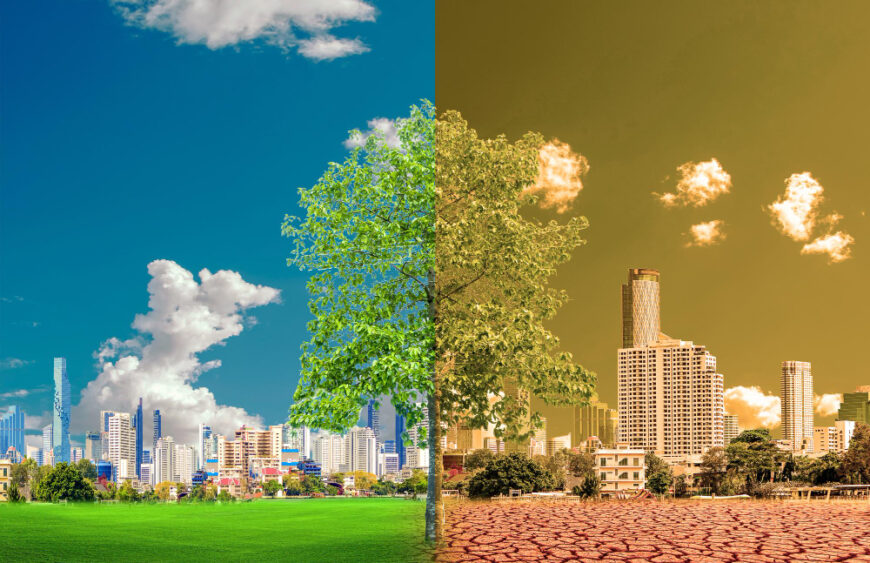
Climate change is no longer a distant threat but an immediate crisis demanding urgent action. The political response to this challenge has varied widely, from ambitious green initiatives to outright denialism. The European Union has positioned itself as a leader in climate policy with the European Green Deal, while the United States has seen a tug-of-war between progressive climate action and fossil fuel lobbying. Meanwhile, developing nations, which contribute the least to global emissions, often bear the brunt of climate impacts.
Public pressure is mounting on governments to take meaningful action. Youth-led movements like Fridays for Future have galvanized millions to demand climate justice. Yet, the transition to sustainable economies remains fraught with economic and political obstacles. Balancing short-term economic growth with long-term environmental stability is one of the most complex challenges facing today’s political leaders.
The Future of Democracy
Democracy, as a system of governance, is facing both internal and external pressures. While it remains the preferred model for many nations, its resilience is being tested by erosion of trust, voter apathy, and the rise of authoritarian alternatives. Countries like Hungary and Turkey have seen democratic backsliding, with leaders consolidating power through legal and constitutional changes. Even established democracies, such as the United States and Brazil, have experienced political turmoil that has raised questions about the stability of their institutions.
The health of democracy is closely tied to economic inequality. When large segments of the population feel economically marginalized, they are more likely to support leaders who promise radical change, even at the expense of democratic norms. Ensuring inclusive economic growth and addressing systemic inequalities are therefore critical to preserving democratic values. Additionally, strengthening institutions that hold leaders accountable—such as independent judiciaries and free press—is essential for maintaining public trust.
Navigating Uncertainty: What Lies Ahead?
The political landscape of the future will likely be shaped by several overarching trends. First, the competition between democracy and authoritarianism will intensify, with each model vying for global influence. Second, technological advancements will continue to disrupt traditional governance structures, requiring new regulatory frameworks. Third, climate change will remain a central issue, demanding coordinated international action.
For citizens, staying informed and engaged is more important than ever. Voting in elections, participating in civic organizations, and holding leaders accountable are fundamental duties in a healthy democracy. For policymakers, the challenge will be to navigate these changes without sacrificing core democratic principles or exacerbating societal divisions. Ultimately, the winds of change offer both risks and opportunities, and how societies respond will determine the trajectory of the political landscape in the decades to come.



More Stories
Revolution in the Making: Unpacking the Surprising Shifts in Global Political Developments
Reimagining Public Administration: Bridging Theory and Tomorrow’s Challenges
Politics & Government Highlights This Week