

Introduction & Background
In today’s world, life often feels like a whirlwind of endless tasks, notifications, and responsibilities. The pace of modern living has left many people feeling disconnected from the simple pleasures that once brought joy. Between work deadlines, social obligations, and the constant pull of digital distractions, it’s easy to overlook the beauty in everyday moments. Yet, rediscovering joy in the ordinary is not just a luxury, it’s a necessity for mental well-being and fulfillment.
Mindful living offers a way to step off the hamster wheel and reconnect with what truly matters. By shifting focus from rushing through life to savoring each experience, individuals can cultivate a deeper sense of contentment and peace. This guide explores how small, intentional changes can transform the way we perceive and engage with the world around us, helping us find happiness in the present rather than chasing it in the future.
Concept & Overview
Mindful living is the practice of being fully present in the moment, aware of our thoughts, feelings, and surroundings without judgment. It draws from ancient traditions like Buddhism but has evolved into a secular approach that fits seamlessly into contemporary life. At its core, mindfulness is about paying attention to the here and now, whether that means enjoying a cup of coffee, listening to a friend, or noticing the colors of a sunset.
The philosophy behind mindful living emphasizes intentionality and gratitude. Instead of operating on autopilot, it encourages us to pause and appreciate the details we might otherwise miss. This shift in perspective can reduce stress, enhance relationships, and even improve physical health. By training ourselves to slow down and engage more deeply with our experiences, we create space for joy to flourish in even the most mundane aspects of daily life.
Key Features & Highlights
- Presence Over Perfection: Mindful living prioritizes being present over achieving perfection. It’s about accepting each moment as it is, rather than striving for an idealized version of life.
- Gratitude as a Habit: Regularly acknowledging small blessings, like a warm meal or a kind gesture, rewires the brain to focus on positivity and abundance.
- Sensory Awareness: Engaging the senses, whether through the taste of food, the feel of sunlight, or the sound of rain, anchors us in the present and heightens enjoyment.
- Non-Judgmental Observation: Mindfulness involves observing thoughts and emotions without labeling them as good or bad, which reduces unnecessary stress and self-criticism.
- Simplicity in Routine: Simplifying daily routines, such as decluttering spaces or limiting multitasking, creates mental clarity and reduces overwhelm.
Frequently Asked Questions / Pros & Cons
Is mindful living the same as meditation?
While meditation is a powerful tool for cultivating mindfulness, the two are not identical. Meditation often involves structured practices like focused breathing or guided visualizations, whereas mindful living extends these principles into everyday activities. You can practice mindfulness while walking, eating, or even working, by simply paying full attention to the task at hand.
Can mindful living help with stress and anxiety?
Absolutely. Research has shown that mindfulness reduces cortisol levels, the hormone associated with stress. By grounding ourselves in the present, we prevent our minds from spiraling into worries about the future or regrets about the past. This doesn’t eliminate stress entirely, but it equips us with tools to manage it more effectively.
What are the potential downsides of mindful living?
For some, the idea of slowing down can feel counterintuitive or even frustrating, especially in a culture that values productivity and speed. Additionally, those new to mindfulness might initially feel impatient or self-critical if they struggle to stay present. However, these challenges often fade with practice and a gentle approach to progress rather than perfection.
Does mindful living require a lot of time?
Not necessarily. Mindfulness doesn’t demand hours of your day. Even a few minutes of focused breathing or mindful observation can make a difference. The key is consistency rather than duration. Small, daily practices accumulate over time, leading to lasting changes in perspective and well-being.
Practical Guidance & Solutions
If you’re ready to embrace mindful living but aren’t sure where to start, begin with small, manageable steps. Begin your day by setting an intention, even if it’s just to be more aware during your morning routine. As you brush your teeth or make your bed, notice the sensations and thoughts that arise without judgment.
Another effective strategy is to introduce mindful pauses throughout your day. Set reminders on your phone to take three deep breaths or observe your surroundings for 30 seconds. These micro-moments of mindfulness can prevent autopilot mode and bring you back to the present.
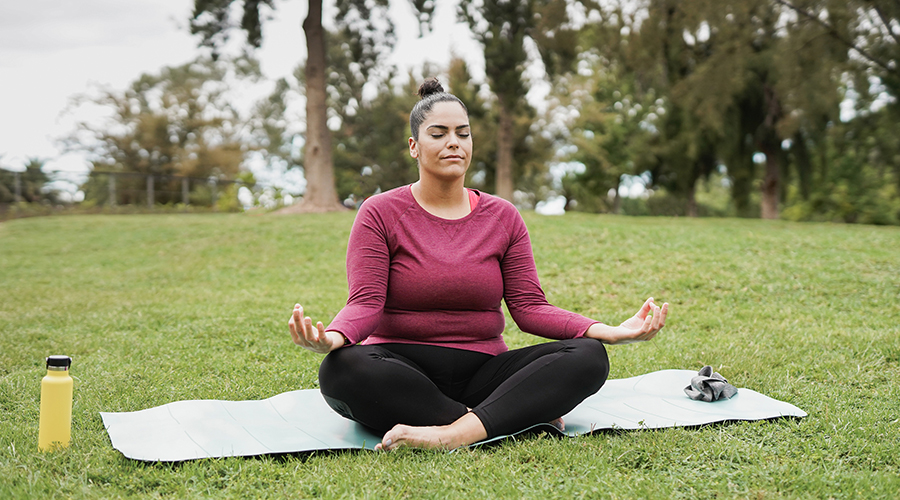
For those who enjoy structured practices, try a five-minute mindful breathing exercise. Sit comfortably, close your eyes, and focus solely on your breath. When your mind wanders, gently guide it back without frustration. This simple exercise strengthens your mindfulness muscle over time.
It’s also helpful to create mindful rituals in your daily life. For example, eat one meal a day without distractions, savoring each bite. Or take a mindful walk, paying attention to the rhythm of your steps and the air on your skin. These rituals serve as anchors, reminding you to slow down and reconnect with yourself.
Finally, be patient and compassionate with yourself. Mindful living is a journey, not a destination. Some days will feel easier than others, and that’s perfectly okay. The goal isn’t to achieve a state of constant bliss but to cultivate a deeper awareness and appreciation for life as it unfolds.
Conclusion
Rediscovering joy in the everyday isn’t about grand gestures or dramatic changes. It’s about finding beauty in the ordinary, peace in the pauses, and gratitude in the smallest details. In a fast-paced world that often glorifies busyness, mindful living offers a gentle rebellion, a way to reclaim your time, attention, and happiness.
By adopting even a few mindful practices, you can transform your relationship with daily life. Imagine savoring your morning coffee instead of gulping it down, or truly listening to a loved one instead of waiting for your turn to speak. These small shifts can ripple outward, creating a life that feels richer, calmer, and more fulfilling.
So take a deep breath, look around you, and notice the world with fresh eyes. Joy has always been here, waiting in the everyday moments. All you need to do is pause, observe, and welcome it in.



More Stories
Ways to Stay Inspired in Daily Life
Ways to Celebrate Life Every Day
Secrets to Living with Joy and Purpose