A Grain Corridor, a Narrow Window: What the New Deal Means for Food Prices
Reopening a shipping lane is the easy part. Inspections, insurance and the slow rhythm of farming decide whether the grain actually reaches the countries that need it.
Trade, borders and the decisions that cross them, explained from the ground up. Every article names the evidence, the limits and the details to confirm for yourself.

Reopening a shipping lane is the easy part. Inspections, insurance and the slow rhythm of farming decide whether the grain actually reaches the countries that need it.
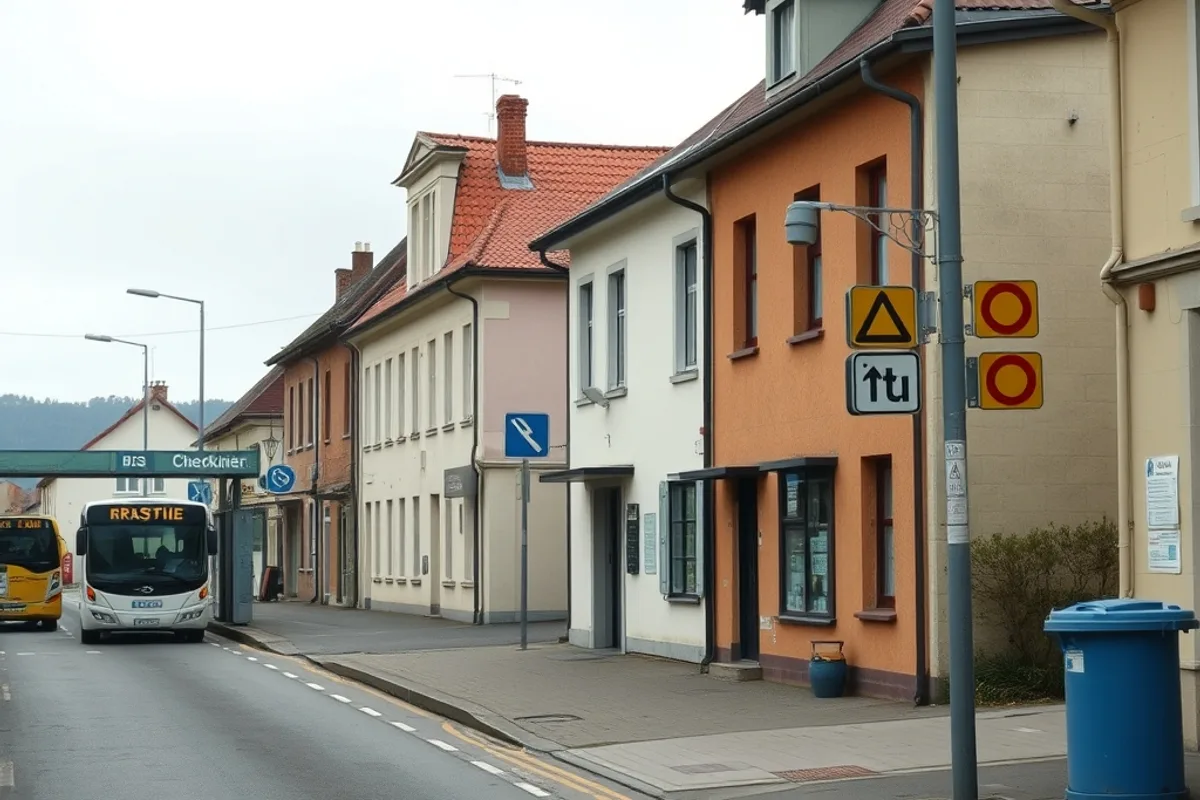
Small towns are being asked to do what large reception centres were built for, with less money and more visibility. The results are better than the headlines suggest, and more fragile.

The highest tides now arrive with the kind of water that used to require a storm. Engineers are rewriting the defence playbook, and the bill is as much about maintenance as concrete.

The schedule is a prediction, not a plan. When one link in the chain fails, there is very little room left to absorb the error.

For a decade, the inland city was the affordable alternative. Remote work and investor capital found it in the same season, and the gap closed faster than the planning departments could respond.
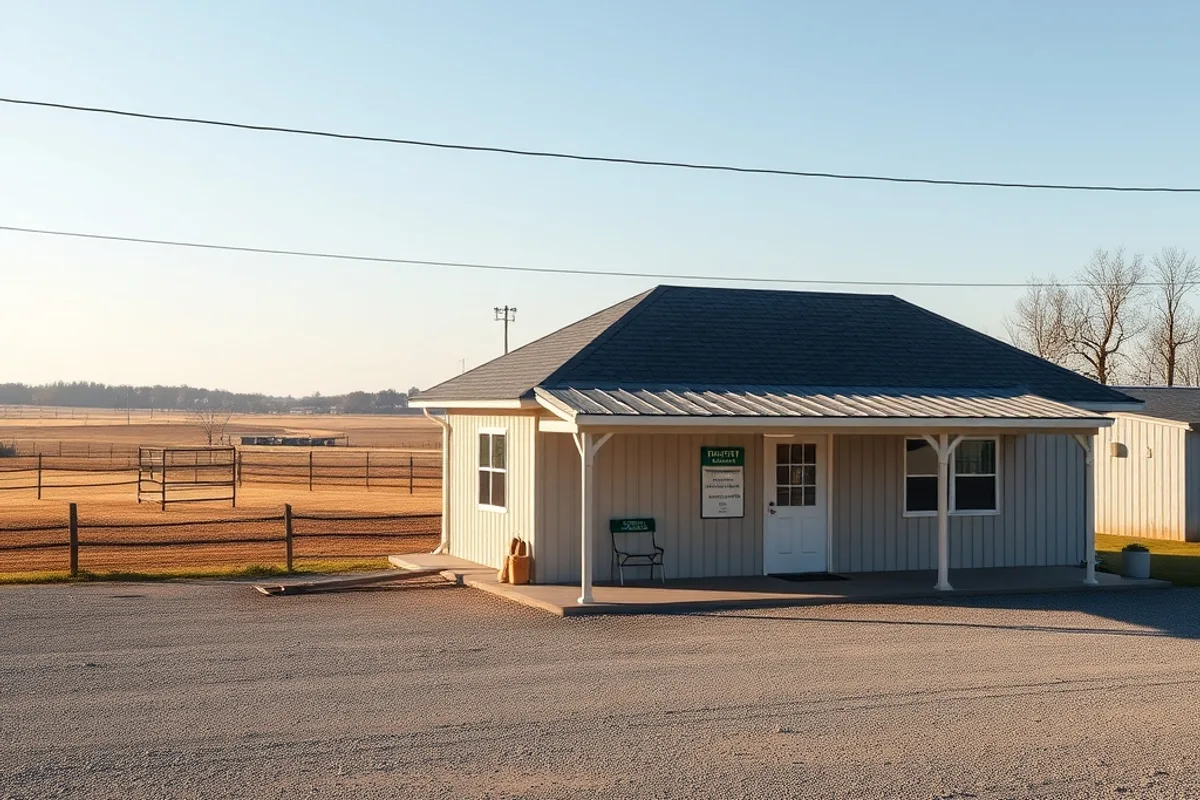
One clinic cannot afford a full roster. Four clinics sharing one can. The catch is that the arrangement depends on cars, broadband and a level of cooperation that is harder than it looks.

A third place does not need a programme, a brand or a founder. It needs a room, regular hours and the permission to stay a little longer than you paid for.

The strongest results come from organisations that changed how they worked, not just how many days they worked. That distinction is the whole argument.
Trade, borders and the decisions that cross them, explained from the ground up. The articles run from practical guides to longer explainers, and each one names its sources and the details that can change. Every piece carries the date, the author and links to related articles, so you can follow a subject rather than a single page.
We start with primary sources: research, official statistics, court and regulatory records, planning documents and the people involved. We compare dates and definitions rather than quoting a single figure. We follow the guidance published by the United Nations.
Each article is reviewed when the evidence, rules or official guidance change. If a detail has moved, check the primary source before you act, and tell us if something is out of date.