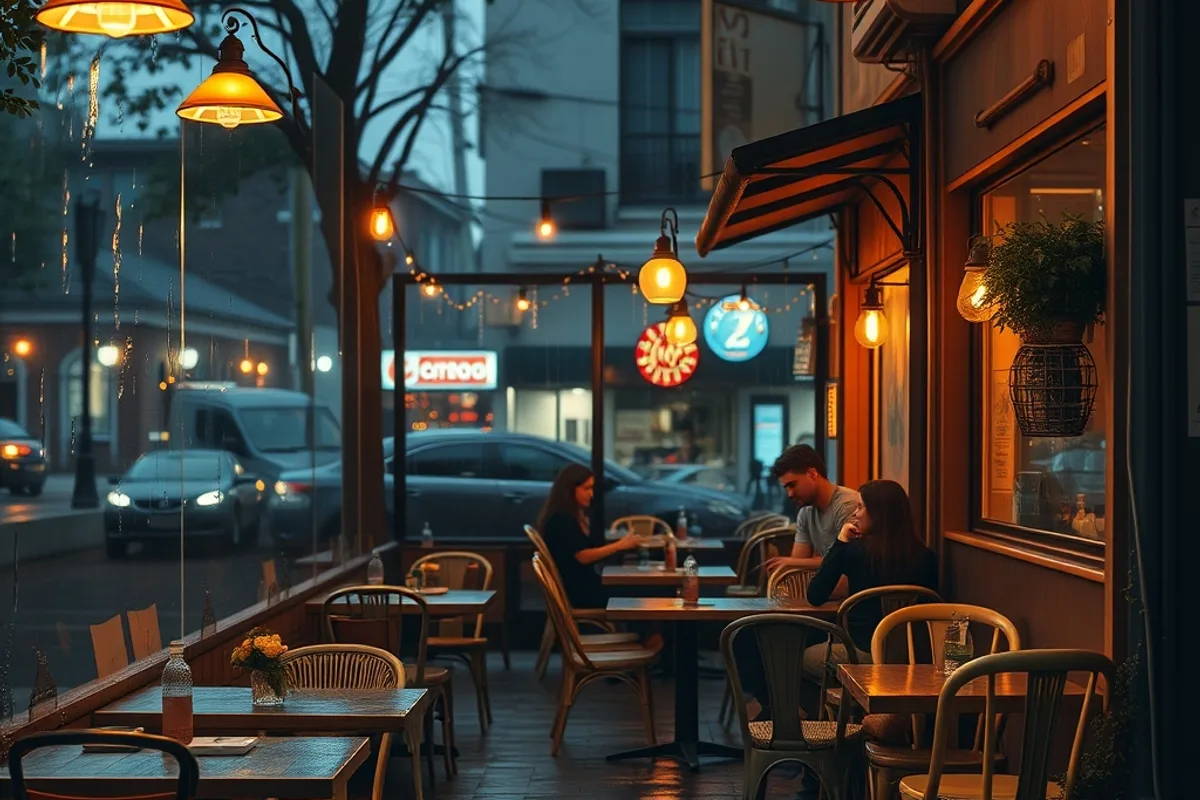
The sociologist Ray Oldenburg called them third places: the settings that are neither home nor work, where people meet on neutral ground and the only price of admission is showing up. He was writing in 1989, about cafes, taverns, barber shops and post offices. For a while it looked as if the internet had replaced them.
It has not. The last few years have produced a quiet revival of small, ordinary gathering places, and a new appreciation of what they do. The revival is not driven by technology or by a grand policy. It is driven by the discovery that a room with regular hours can do something a group chat cannot.
The best of these places are not trying to be destinations. They are trying to be habits.
What counts as a third place
A third place is defined by use, not by design. It is somewhere you can go alone without feeling conspicuous, stay for a while without being asked to leave, and run into the same people often enough that they become familiar. It does not require a membership or a mission.
That rules out a lot of modern social spaces. A co-working club is still work. A ticketed event is a transaction. A members-only club is a filter. A cafe can be a third place, but only if the seating, the hours and the staff attitude allow it.
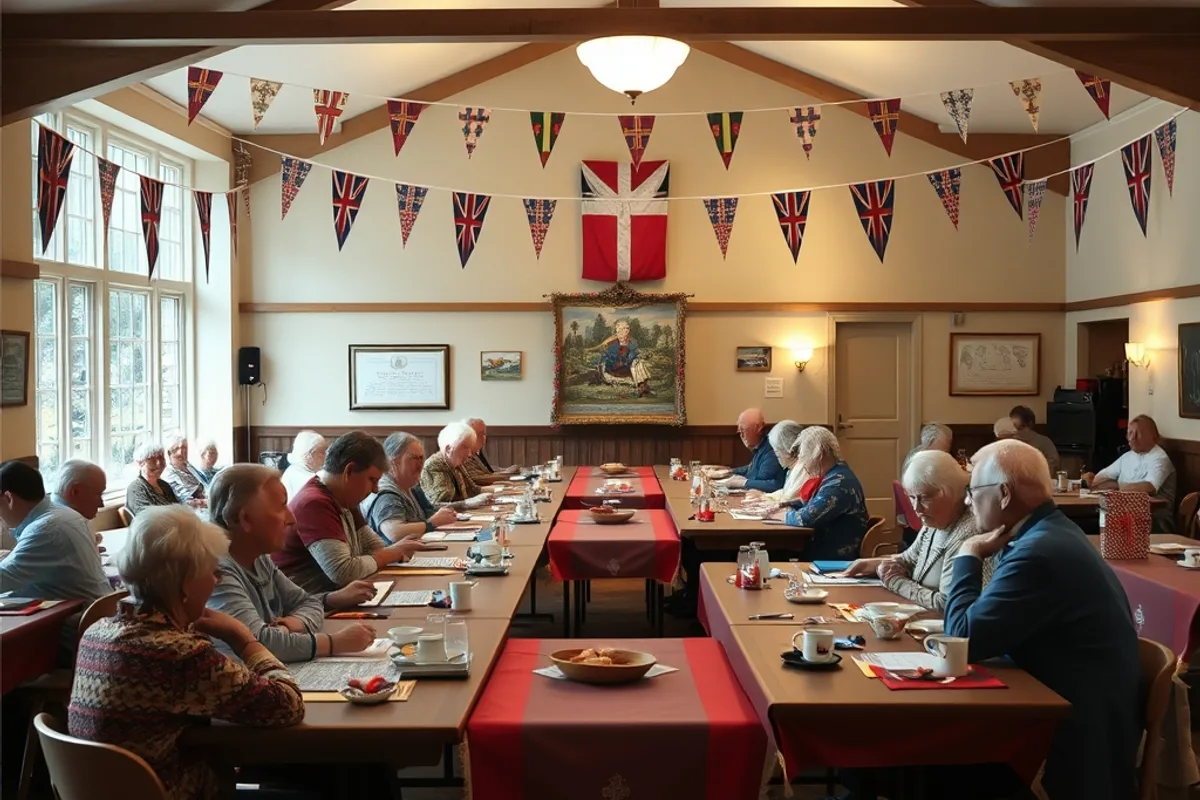
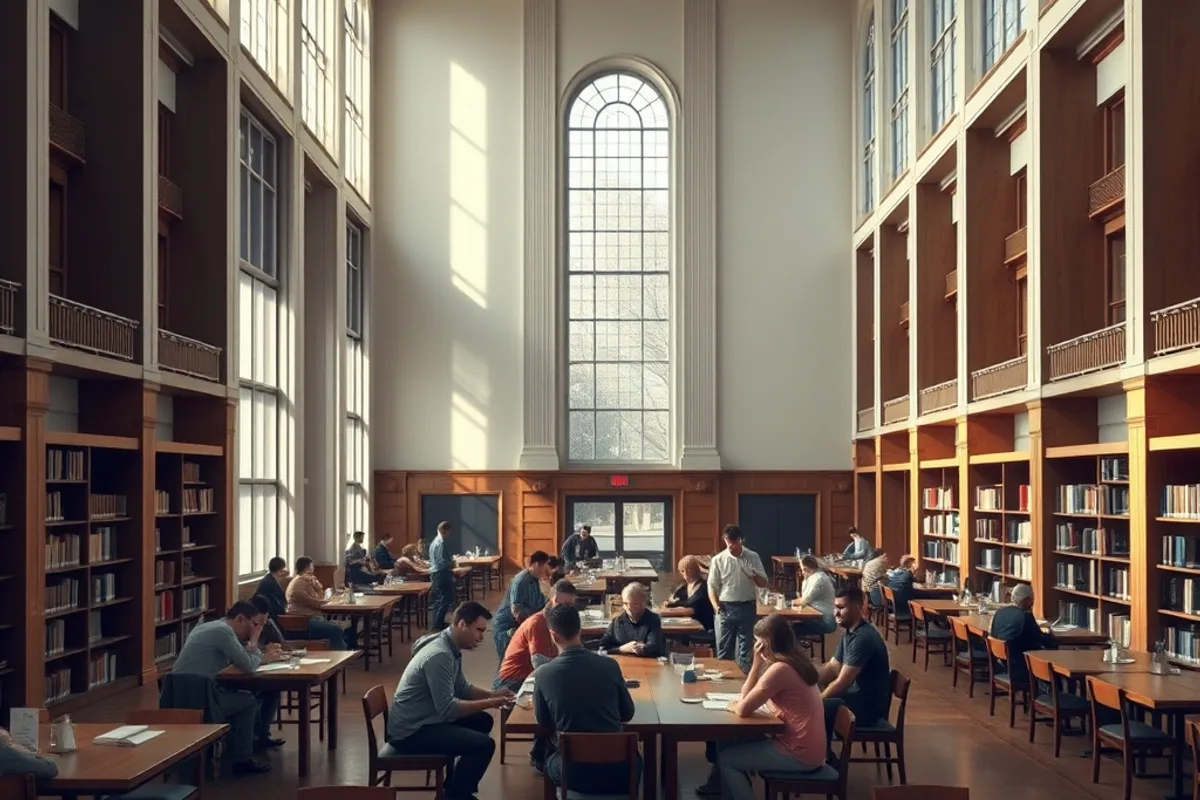
Libraries are the purest example, because they are free, open to everyone and designed for lingering. Pubs, barber shops, community halls, parks and bowling alleys can play the same role when they are woven into the rhythm of a neighbourhood.
Why they disappeared
Third places were not killed by one thing. They were eroded by several: zoning that separated homes from shops, car-dependent suburbs, longer commutes, the shift of shopping online and the privatisation of public space. Each change made it slightly less convenient to run into other people by accident.
The economics changed too. A small cafe needs a lot of customers to pay rent, and the most profitable use of a table is a quick turnover. The kind of place that lets you sit for three hours with one coffee is easier to romanticise than to run.
Then came the pandemic, which closed the rooms and moved social life onto screens. What returned afterwards was not the same. Some places did not reopen, and the habits that had sustained them had been broken.
The post-pandemic rediscovery
Hybrid work created a new gap. People who spend two or three days at home no longer have the office as a default social contact, and they miss the casual conversations that used to happen by the kettle. Some replaced them with scheduled calls, which are not the same thing.
At the same time, loneliness became a policy issue. Governments began to fund social prescribing, community hubs and befriending schemes, often with modest budgets and ambitious targets. The most successful programs did not invent new places; they supported the ones that already existed.
The result is a patchwork revival. A cafe opens a back room for a weekly club. A library extends its hours. A pub hosts a repair workshop on a quiet afternoon. None of these is a movement, and that is part of their strength.
The opposite of loneliness is not a big event. It is a place where someone notices you were not there last week.
The economics of staying too long
A third place has to survive commercially or through public funding. The commercial version walks a line: it needs enough turnover to pay the rent, but not so much that it pushes out the regulars. The most successful cafes solve this with a mix of takeaway trade and a small seated area that is tolerated rather than encouraged.
The public version has a different problem. Libraries and community halls are cheap to use and expensive to maintain, and their budgets are vulnerable to cuts. A place that is free is also a place that is easy to take for granted.
Some communities have found a hybrid: a cafe that hosts a library branch, a pub that provides a room for a club, a church that opens its hall to the neighbourhood. The model works when the host already has the space and the guest brings the people.
Design rules that actually work
The physical details matter more than the concept. Comfortable chairs, tables that can be shared, windows that let you see and be seen, and a layout that allows both solitude and conversation. A room with only two-tops is a room for couples; a room with long tables is a room for strangers.
Hours matter as much as design. A place that opens at ten and closes at four is not available to anyone who works. A place that opens late is not available to anyone with young children. The most inclusive places have irregular hours that cover different lives.
Staff attitude is the invisible ingredient. A place where you feel watched is not a third place. A place where you feel welcome to sit is. That is a training issue, a pricing issue and a management issue, and it is hard to fake.
A civic argument, not a nostalgia trip
The case for third places is not that the past was better. It is that a neighbourhood with places to linger is more resilient. People who know their neighbours are more likely to help in a heatwave, report a problem, or notice someone who is struggling.
That is difficult to measure, which is why it is easy to cut. But the cost of not having it shows up elsewhere: in health services, in isolation, in the low-level distrust that makes everything harder to run.
The revival will not be led by a single policy. It will come from small decisions: a landlord who offers a reasonable lease, a council that allows a bench, a cafe that keeps a table free, a club that keeps showing up.
What makes a third place
- Neutral ground, no membership and no minimum spend to belong.
- Regular hours that match the lives of the people nearby.
- Seating and layout that allow both solitude and conversation.
- A host who lets you stay a little longer than is strictly profitable.
- The same people, often enough to become familiar.
The bottom line
Third places are back because the alternatives were not enough. A group chat cannot lend you a ladder, and a video call cannot save you a seat. The places that matter are small, ordinary and slightly unambitious, and that is exactly why they last.
For a related story about work and time, read our report on what the four-day week trials actually show.