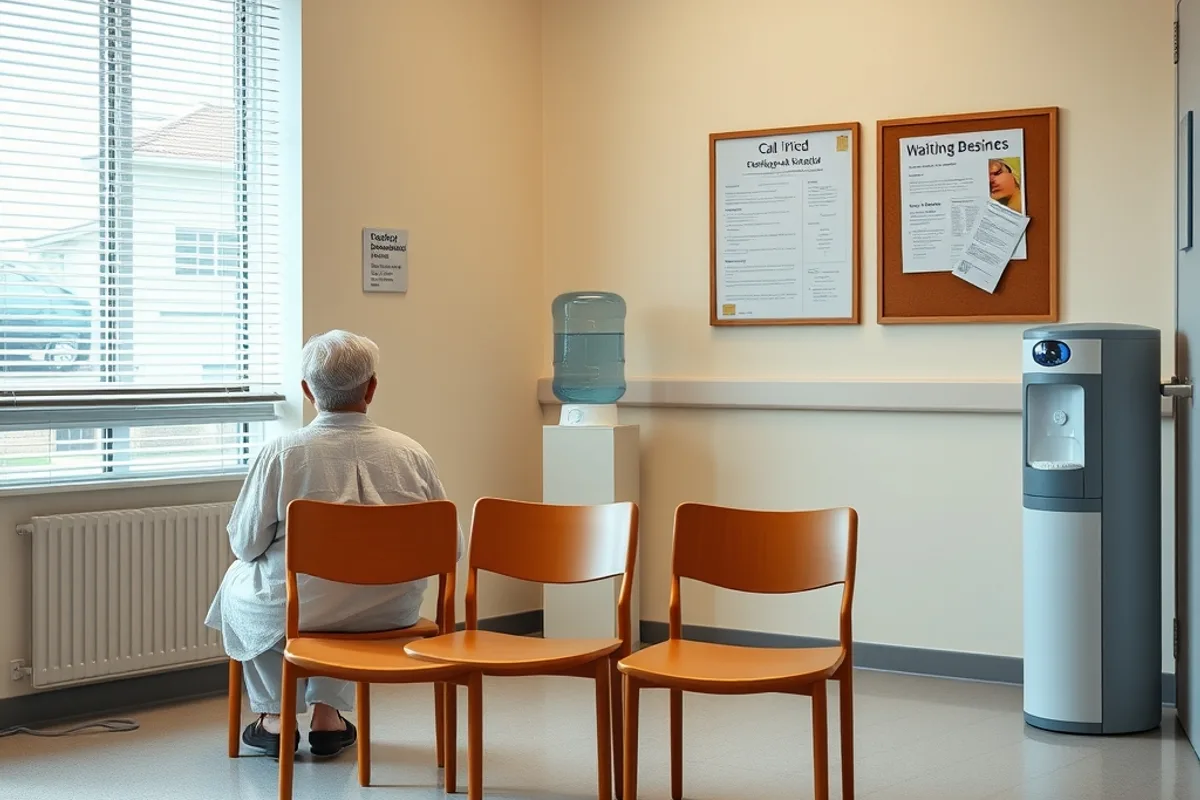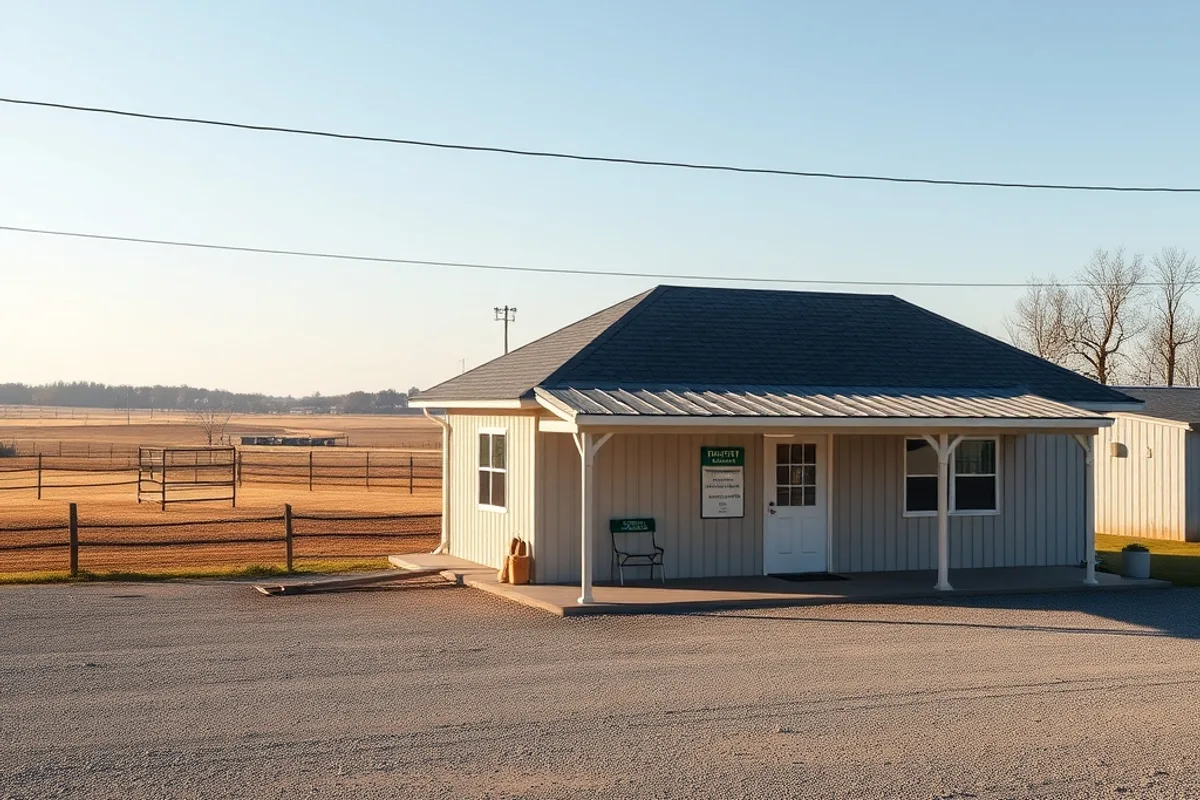
The clinic in a farming town of fewer than two thousand people has two examination rooms, a small laboratory and a waiting area with eight chairs. For most of the past decade it also had a staffing problem that could not be solved with money alone: there were not enough nurses willing to move there, and the doctor who covered it was within a year of retirement.
The solution the clinic found is being copied across rural health networks. Instead of trying to staff every site independently, a group of four clinics now shares a roster. A nurse practitioner works two days in one town and three in another. A physician assistant covers a rotation. Administrative staff handle scheduling and billing for all four.
It is not a cure. It is a way of keeping the doors open while the deeper problems remain.
The rota problem
Rural staffing shortages are usually described as a lack of doctors, but the shortage is broader. Nurses, pharmacists, laboratory technicians, radiographers and mental-health clinicians are all harder to recruit in places with fewer amenities and longer commuting distances. The smaller the site, the harder it is to cover a full week, let alone holidays and sickness.
A single clinic needs a minimum roster to stay safe. If one nurse is off, the clinic may have to reduce hours or close for the day. That is not only inconvenient; it pushes patients toward the emergency department an hour away, which is more expensive for the system and worse for the patient.
Shared staffing changes the arithmetic. Four sites with four separate rotas have four gaps. Four sites with one pooled rota have one gap and three people who can fill it.

How shared staffing works in practice
The model comes in several forms. In its simplest version, a larger health system employs clinicians centrally and assigns them across a group of clinics. In a more local version, independent clinics form a cooperative and share staff directly, with a joint agreement on costs and priorities.
The practical details decide whether it works. Who pays for travel time? What happens when two sites need the same specialist on the same day? How is continuity protected so that patients are not seen by a different clinician every visit? And who is accountable when a shared clinician makes an error?
The clinics that have made it work tend to have three things: a single scheduling system, a written agreement on cost-sharing, and a clinical lead with authority to resolve conflicts. Without those, the pool becomes a series of favours, and favours run out under pressure.
What telehealth can and cannot do
Telehealth is often presented as the answer to rural access. It helps with follow-ups, medication reviews and specialist consultations that would otherwise require a long drive. It does not replace a physical examination, a vaccination, a blood draw or a wound dressing.
The clinics in the shared network use telehealth for what it is good at and reserve in-person days for what it is not. A patient may have a video review with a specialist and a same-week visit with the local nurse. The coordination is the hard part, and it is usually done by an administrator rather than a clinician.
Broadband remains a constraint. In some rural areas the connection is adequate for a video call and nothing more. A clinic that depends on telehealth without a reliable line is one storm away from closing its virtual door.
Sharing staff keeps the clinic open. It does not make the town easier to move to, and that is the problem money cannot fix.
The travel problem
A shared clinician spends part of the week driving. That time is unpaid or reimbursed at a rate that rarely reflects the cost, and it is tiring. In winter, a two-hour drive between sites can become four, and the clinic that was supposed to open at nine opens at noon.
Some networks solve this by clustering sites within thirty minutes of each other and using a hub for specialist services. Others provide a pool car and schedule travel within paid hours. The ones that ignore the travel cost find that clinicians leave after a year, and the pool collapses.
Housing is the other half of the problem. A clinician who relocates needs somewhere to live, and rural rental stock is often poor. Some programs now include housing support, but it is patchy and depends on local philanthropy as much as public funding.

Funding and fragility
Shared staffing is cheaper than running four underused rotas, but it is not free. The coordination, the travel and the scheduling software all cost money. Many programs are funded by short-term grants that must be renewed, which makes it hard to recruit staff on permanent contracts.
The fragility is structural. A shared pool has less slack than a large hospital, so a single resignation can undo a year of work. The networks that survive are the ones that build a pipeline of local trainees, rather than relying on recruiting from outside.
That means investing in the people who already live in the area: training local residents as nurses, technicians and community health workers, and supporting them through the qualifications. It is slower than a recruitment campaign and much more durable.
What patients notice
Patients notice continuity first. A shared roster that sends a different clinician every visit feels like a call centre. A roster that keeps the same person on the same days feels like a local service, even if that person also works two towns over.
They also notice travel. If the clinic is open four days instead of five, the remaining day becomes an hour-long drive. For a patient without a car, that is not an inconvenience; it is a barrier.
The best programs pair shared staffing with transport support and a clear schedule published months in advance. That sounds administrative, and it is. It is also what makes the difference between a service that exists and one that people can use.
What makes shared staffing work
- One scheduling system across all sites, with a named coordinator.
- A written cost-sharing agreement that covers travel and overtime.
- Clusters close enough to drive between in under an hour.
- Continuity rules so patients see the same clinician where possible.
- A local training pipeline, not only outside recruitment.
The bottom line
Shared staffing is a practical response to a problem that will not be solved by a single policy. It keeps clinics open, spreads scarce clinicians across more patients and buys time for the slower work of training local people and fixing rural housing.
It is not a substitute for a health system that values rural patients equally. But until that exists, a shared rota is better than a closed door.
For another view of how public services are being redesigned around scarcity, see our report on how European border towns are rethinking reception.