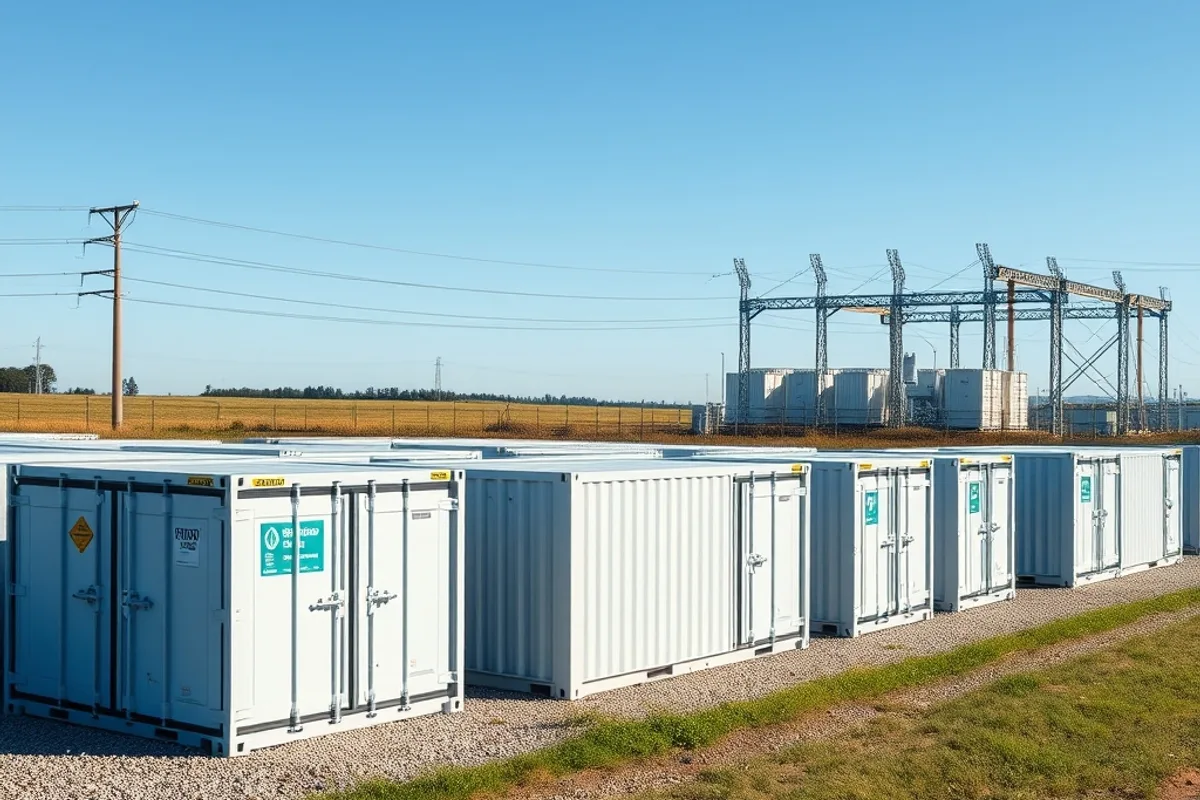
The installation looks unremarkable: rows of shipping-container-sized cabinets on a gravel pad beside a substation, humming quietly. Inside are racks of lithium-ion cells and a control system that decides, second by second, whether to charge or discharge.
A decade ago, a facility like this was a demonstration project. Now it is a standard piece of grid infrastructure, and the pace of installation has surprised almost everyone, including the utilities that build them.
The reason is simple. Batteries solve a problem that renewables made urgent: the gap between when electricity is generated and when it is used.
Why storage became the missing piece
Solar produces most of its output in the middle of the day. Demand peaks in the evening, when the sun is going down. Wind is variable across hours and days. The grid has always needed flexibility, but the scale and speed of the need changed as renewable share grew.
Traditionally, flexibility came from gas plants that could ramp up quickly, and from pumped hydro where the geography allowed. Batteries add a faster, more modular option. They can respond in milliseconds, be built in months rather than years, and be located close to where the constraint is.
The result is a new kind of asset: a battery is not a generator and not a consumer. It is a trader, buying when power is cheap and selling when it is expensive, while also providing services that keep the frequency stable.
The economics of a two-hour battery
Most grid batteries today are built for two to four hours of storage. That is enough to shift midday solar into the evening peak, and it matches the duration that most markets pay for. Longer durations are possible, but the cost per kilowatt-hour rises.
A battery earns money from several streams: energy arbitrage, frequency response, capacity payments and contracts with utilities to defer network upgrades. The mix varies by market, and the business case depends heavily on the rules. A battery that is paid only for energy arbitrage is a very different investment from one that is also paid for stability services.
The cost of cells has fallen, but the balance of the plant — inverters, transformers, cooling, fire suppression and grid connection — is now a larger share of the total. That is why the installed cost has not fallen as fast as the cell price.
Grid queues and permitting
The biggest constraint is not the battery. It is the connection. In many markets, the queue for a grid connection is years long, and projects sit in it without a clear timeline. A battery can be built in eighteen months and then wait three years for permission to connect.
Some regulators are reforming the queue to prioritise projects that are ready and to remove speculative applications. Others are allowing batteries to connect at a lower capacity while network upgrades are completed, which lets them earn something sooner.
Permitting is a separate bottleneck. Fire codes, land use rules and local opposition all affect how quickly a project moves. A battery is quieter and smaller than a gas plant, but it is not invisible, and communities increasingly ask detailed questions about safety.
The battery is the easy part. The wire, the permit and the contract are what decide whether it ever gets built.
Safety and standards
Lithium-ion batteries can catch fire, and a grid-scale fire is difficult to extinguish. The industry has responded with better cell chemistry, separation between units, thermal monitoring and suppression systems. Standards have tightened, and insurers now ask detailed questions before covering a project.
The safety record is improving, but it is not zero. The risk is managed rather than eliminated, and the management depends on maintenance and monitoring that continue for the life of the asset. A battery that is installed and forgotten is a liability.
Recycling is the other end of the lifecycle. The first generation of grid batteries is now reaching retirement, and the recycling industry is still scaling up. The cells can be recovered, but the logistics and economics are not yet settled.

What it means for bills
The effect on household bills is indirect and depends on the market design. Storage can lower the cost of meeting peak demand by displacing expensive peaking plants, which should reduce wholesale prices at those hours. It can also increase costs if it is paid through capacity mechanisms that are not competitive.
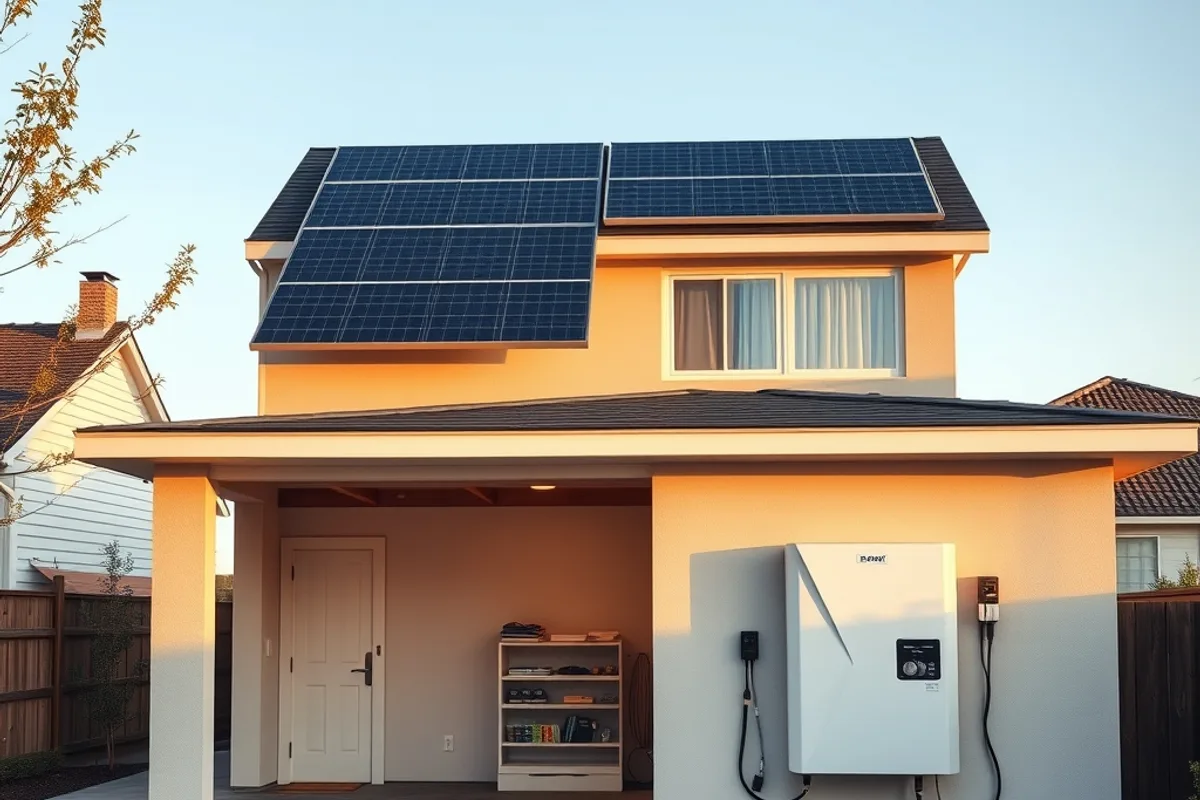
For households with rooftop solar, a home battery changes the economics of self-consumption. Storing midday generation for the evening reduces the amount bought from the grid, which matters more where export tariffs are low. The payback depends on the tariff structure, the battery cost and how the household uses power.
The larger point is that storage shifts value from the moment of generation to the moment of use. That is a fundamental change in how the electricity market works, and the rules are still catching up.
The next bottleneck
The next constraint is likely to be the distribution network, not the transmission grid. As more batteries, electric vehicles and heat pumps connect at the local level, the low-voltage network becomes the limiting factor. Upgrading it is expensive and disruptive.
Distributed storage can help, if it is coordinated. A thousand home batteries responding to a price signal can relieve a local constraint, but only if the software and the tariffs exist to reward them. That is a regulatory problem more than a technical one.
The grid is becoming a market of millions of small decisions. Batteries are the first technology that makes those decisions fast enough to matter.
What to watch
- Interconnection reform: how quickly projects can connect.
- Market rules: whether batteries are paid for stability, not just energy.
- Fire standards and insurance requirements for large installations.
- Distribution-level tariffs that reward home batteries for flexibility.
- Recycling capacity as the first generation retires.
The bottom line
Grid batteries have moved from experiment to infrastructure in less than a decade. They are not a substitute for generation or for network investment, but they are the cheapest way to move electricity a few hours and the fastest way to add flexibility to a system that needs it.
The technology is no longer the hard part. The hard part is the queue, the permit and the market design that decide whether a battery can earn a living.
For the computing side of the energy story, see our report on the shift to small, local AI models.