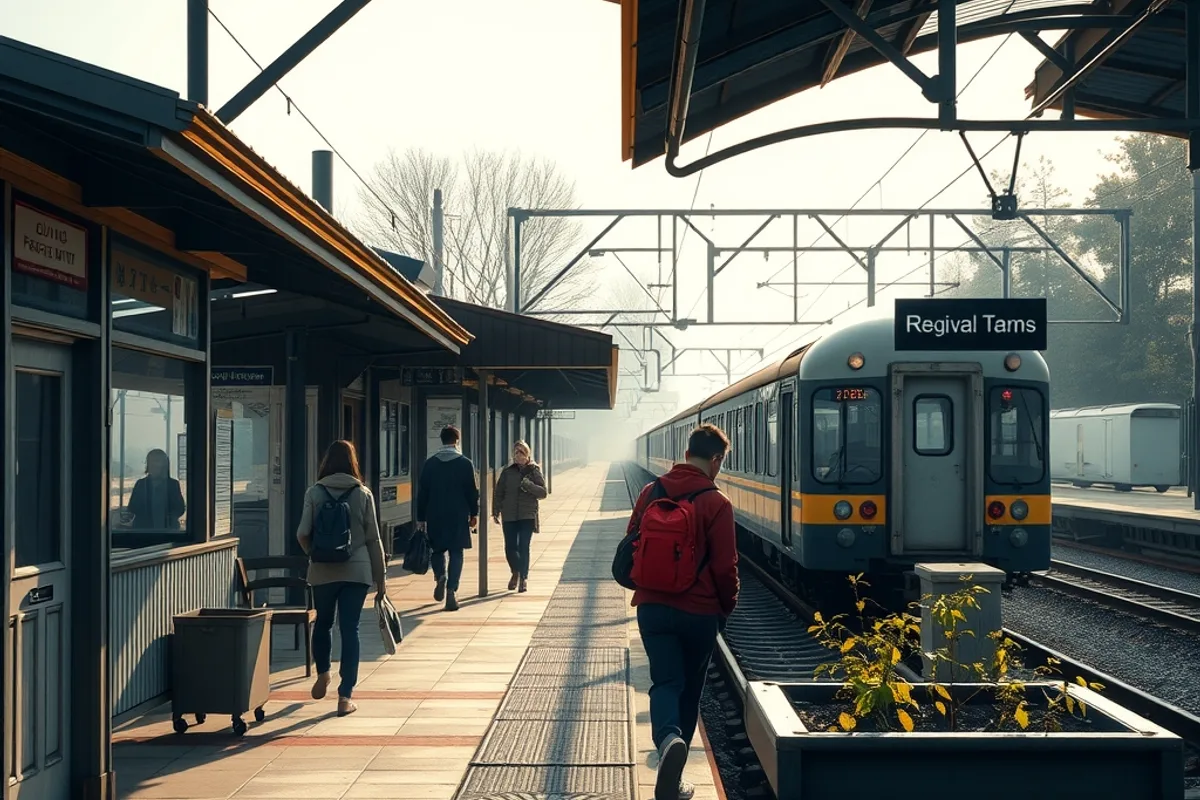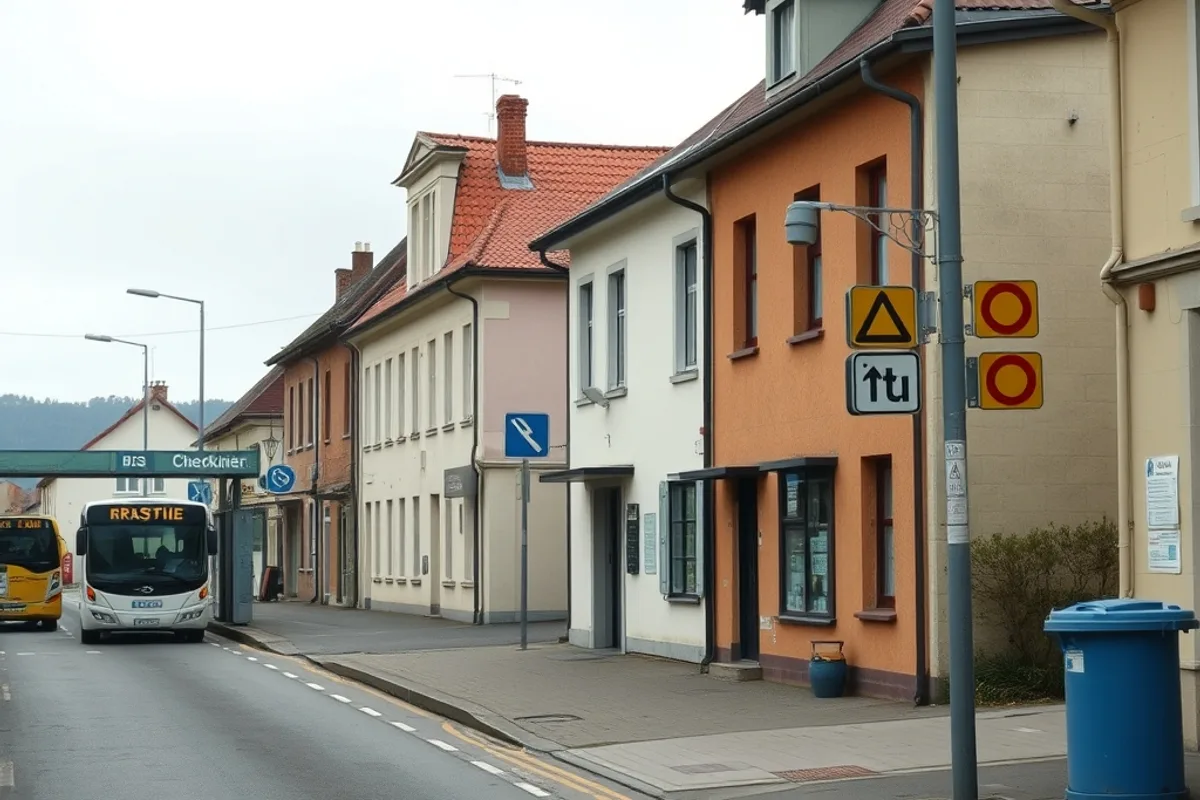
The reception centre is not a centre. It is a former guesthouse on a side street, a pair of flats above a bakery and a converted office block on the edge of town. The new arrivals who live there shop in the same supermarket as everyone else, and their children attend the same school.
This is the model a handful of European border towns have adopted: instead of concentrating people in a large facility, scatter them in ordinary housing and support them through a small local team. It is cheaper per person in some respects, more expensive in others, and politically more visible than a camp behind a fence.
The model is being watched closely, because the alternative — large, remote reception centres — has a record of isolation, poor outcomes and local resentment. The question is whether the quieter approach can survive its own success.
From camps to scattered housing
Large reception centres are efficient to administer. One site, one contract, one security perimeter. They are also places where people wait for months with little to do, far from jobs and schools, and where integration begins only after a move that may take a year.
Scattered housing reverses the order. People are placed in ordinary accommodation quickly, often within weeks, and integration starts immediately. The cost is coordination: many small leases, many landlords, many local services, and a support team that has to travel between sites.
The model works best in towns with vacant housing and a willing mayor. It works worst in tight housing markets, where new arrivals compete with local families for the same flats and the political cost is immediate.
What the town gets
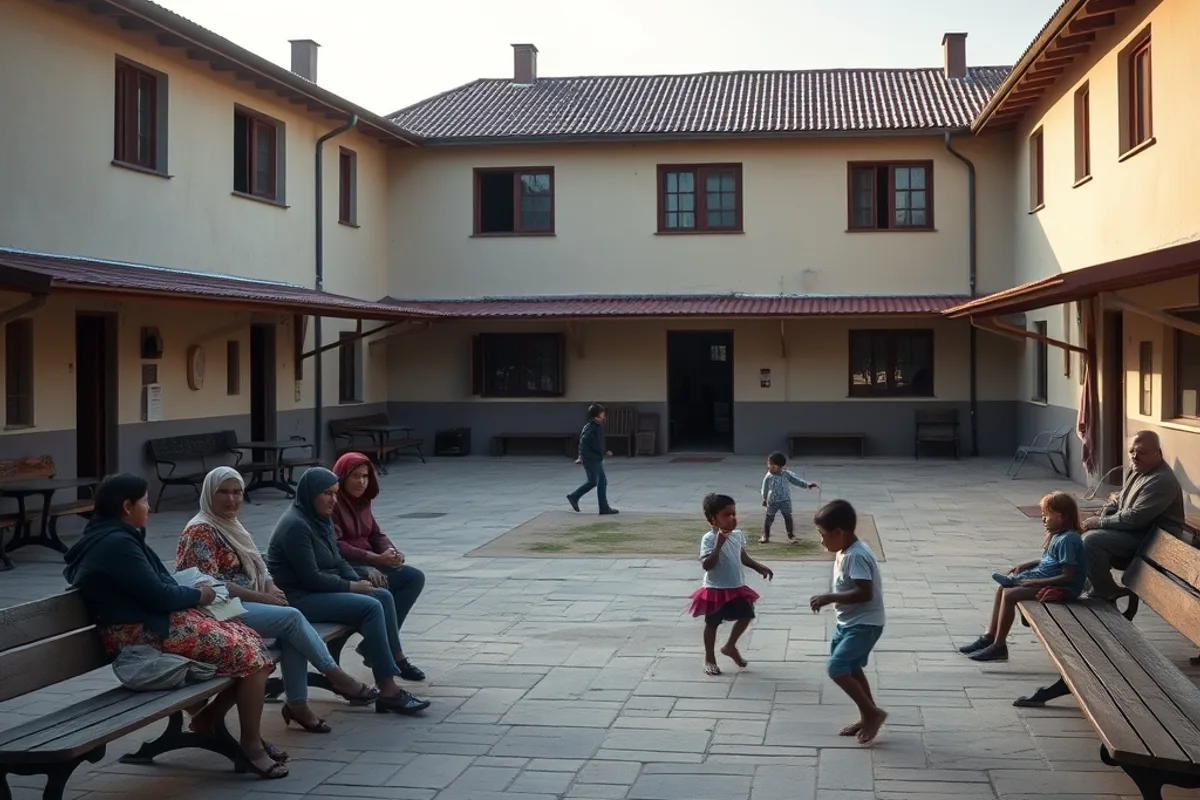
The first benefit is economic. New arrivals need housing, food, transport and services, and in a small town that spending supports local shops. Some find work quickly in sectors with acute shortages: agriculture, food processing, care and construction.
The second is demographic. Many border towns are shrinking, with ageing populations and schools under threat of closure. A modest inflow of families can keep a school open and a bus route running. That is not a reason to design a migration policy around it, but it is a real local effect.
The third is less tangible. A town that hosts people tends to develop a more practical politics than a town that only reads about them. The mayors who have done it describe the same shift: the issue becomes concrete, and concrete problems are easier to solve than abstractions.
The housing trade-off
The model's weak point is housing. In towns with empty stock, scattered reception is straightforward. In towns where rents are rising, it puts new demand into a market that is already tight, and the resulting resentment is directed at the newest arrivals rather than at the planning rules that restricted supply.
Some programs avoid the conflict by leasing buildings that are otherwise unused: former hotels, care homes and offices. That works until the building is sold or renovated, and the residents have to move again. Temporary accommodation is only temporary if there is somewhere to go next.
The most stable version pairs reception with a parallel program to build or refurbish social housing, so that new arrivals and local households are not competing for the same small pool. That is expensive, and it is the part most likely to be cut when the political weather changes.
The model is not cheaper because it is small. It is cheaper because it starts integration on day one instead of year two.
Work and language
Employment is the clearest measure of whether reception is working, and the slowest to improve. Language is the first barrier, and language classes are often oversubscribed. Recognition of qualifications is the second; a nurse or an electrician may wait months for paperwork before they can work in their field.
The towns that do best pair language classes with immediate work placements, even in lower-skilled roles. A job provides income, contacts and practice, and it makes the language class relevant. The risk is that people remain stuck in the lower-skilled role long after they are qualified for more.
Childcare is the hidden enabler. A parent who cannot arrange childcare cannot attend language classes or take a shift. The towns that fund childcare alongside reception see much faster employment outcomes, and the cost is modest compared with the cost of long-term inactivity.

When the money runs out
Most scattered reception programs are funded by short-term grants. That makes it hard to sign leases, hire staff or promise a landlord a two-year arrangement. It also means the program can end abruptly, leaving people in housing they cannot pay for and towns with obligations they did not plan.
Sustainability requires a funding formula that follows the person, not the project. If a town receives a fixed annual amount per resident, it can plan. If it receives a grant for a pilot, it can only improvise.
The political risk is symmetrical. A program that is seen to work attracts more arrivals and more scrutiny. A program that struggles is cited as evidence that the model cannot work. Either way, the local team is managing a national debate with municipal resources.
A model, not a solution
Scattered reception is not a complete answer to migration. It does not decide who is admitted, it does not replace a common asylum policy, and it cannot fix a housing shortage. What it can do is make the period after arrival less damaging and more productive.
The towns that have tried it describe the same conditions for success: a willing mayor, a housing plan, a local coordinator with authority, and funding that lasts longer than a news cycle. Without those, the model becomes a series of well-meaning gestures.
The lesson for other towns is not that small is always better. It is that the quality of the first year determines the cost of the next ten, and that quality is mostly a matter of coordination rather than ideology.
What the model needs
- Housing that is genuinely available, not just nominally empty.
- A local coordinator who can make decisions across services.
- Language classes with childcare attached.
- Fast recognition of qualifications so people can work.
- Funding that lasts long enough to sign a lease.
The bottom line
Europe's border towns are running an experiment in doing reception at human scale. It is more demanding than a camp and more effective than a waiting room. Whether it spreads depends less on the model than on whether governments are willing to fund the boring parts: coordination, housing and language.
For a domestic parallel, see our report on rural clinics sharing staff to stay open.