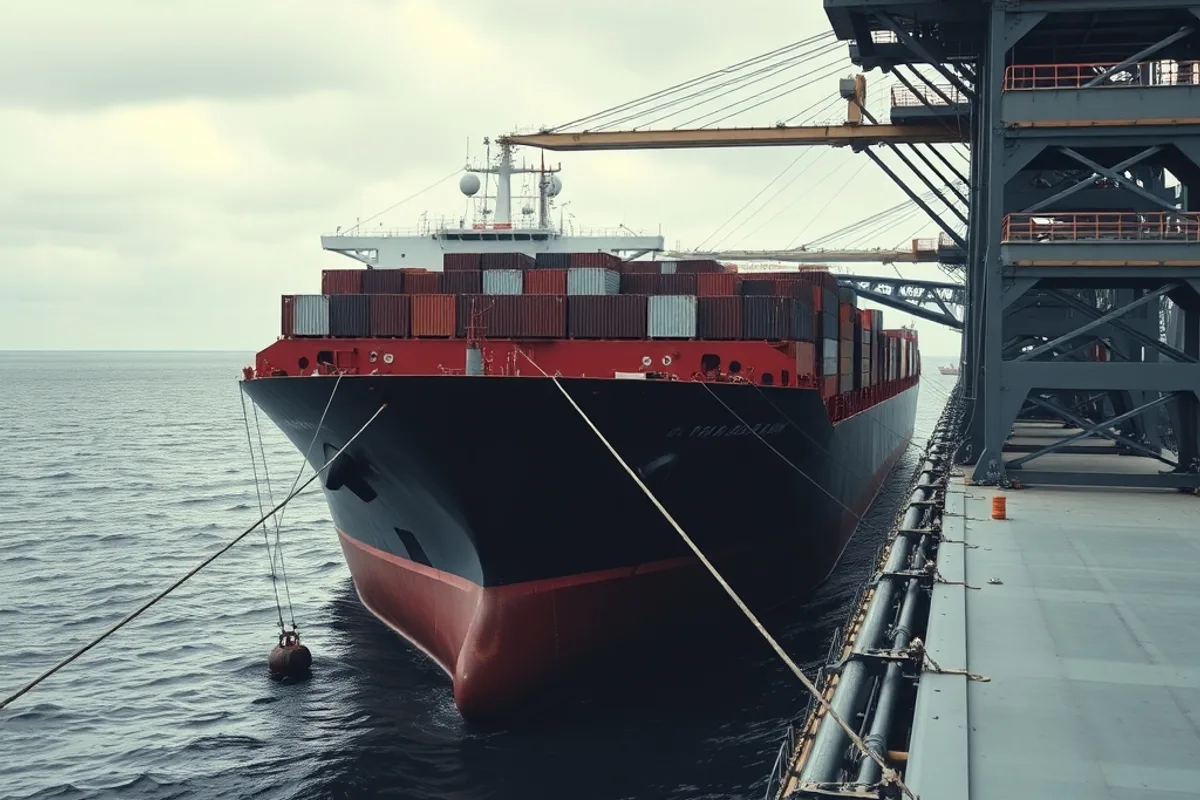
The announcement was simple enough: ships would be allowed to move grain through a corridor that had been closed for months. Within hours, futures prices dipped. Within a week, they had largely recovered. The gap between the headline and the market reaction is the story.
A shipping corridor is a permission, not a pipeline. Grain moves when a ship is available, a crew is willing, an insurer will cover the voyage, an inspector will clear the cargo and a buyer will accept the risk. Each of those is a separate bottleneck, and each has its own reason to move slowly.
For the countries that depend on imported wheat and maize, the corridor matters. But the price on a supermarket shelf reflects the whole chain, not the reopening alone.
What the corridor actually moves
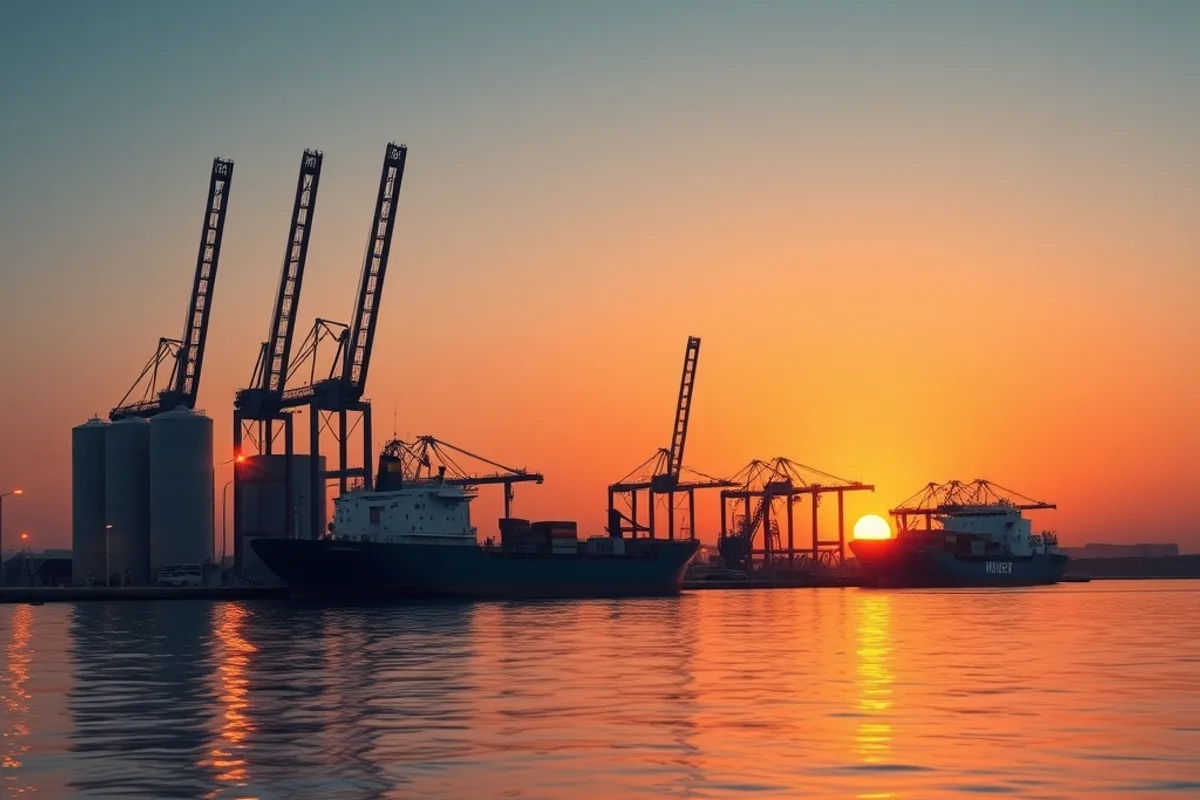
The corridor handles bulk cargo: wheat, maize, barley, sunflower oil and meal. These are commodities traded on global markets, priced in dollars and shipped in large volumes. A single Panamax vessel can carry tens of thousands of tonnes, enough to supply a small country for days.
Before the closure, the route accounted for a significant share of global exports of several of these crops. When it stopped, buyers scrambled for alternatives, and the shortfall was felt most acutely in North Africa and parts of Asia, where import dependence is high and foreign exchange is scarce.
Reopening restores some of that volume, but not instantly. Ports have to clear a backlog, shipping companies have to reinsert the route into their schedules, and buyers have to rebuild confidence that the corridor will stay open long enough to justify a booking.
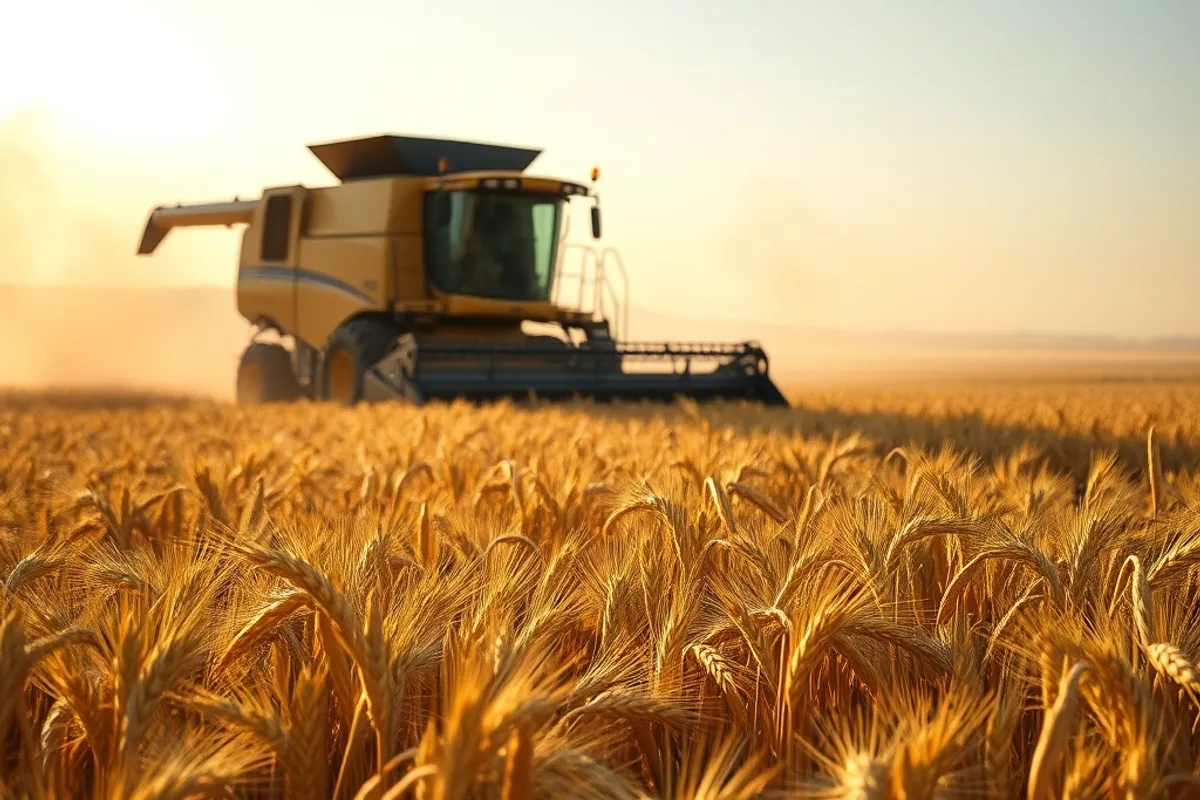
Why prices did not fall as much as expected
Three factors keep a floor under prices. The first is uncertainty. Traders price risk, and a route that could close again is worth less than a route that is reliably open. The second is the cost of the alternatives. If the corridor handles only part of the volume, the rest still moves by slower and more expensive routes.
The third is the global balance sheet. Stocks of wheat and maize are not especially high, and demand has grown. A corridor adds supply at the margin; it does not create a surplus. In a market that is already tight, a partial reopening is enough to stop a spike, not enough to produce a slide.
Currency matters too. Many importing countries pay in dollars, and a stronger dollar makes food more expensive regardless of the dollar price. That effect can outweigh a modest fall in the commodity price.
The inspection and insurance bottleneck
Every cargo has to be inspected, and inspection capacity is limited. Ships wait at anchor while samples are tested and paperwork is checked. Each day of waiting costs money, and those costs are passed along the chain.
Insurance is the quieter constraint. War-risk premiums for the route remain elevated, and some underwriters limit the size of the cover they will offer. A shipowner who cannot insure a voyage will not sail, even if the corridor is legally open.
The result is a route that works, but at a higher cost per tonne than before. That cost is invisible in the headline about reopening and very visible in the final price of bread.
A corridor is a promise that the sea is open. Insurance is the promise that the voyage is worth the risk. Both have to hold.
Farmers respond to signals slowly
Agriculture is a slow industry with a long feedback loop. A farmer decides what to plant based on expected prices, input costs and the weather. By the time the harvest arrives, the market may have moved. A corridor that opens in autumn does not change the area planted last spring.
In exporting regions, the closure pushed some farmers toward crops that are easier to store or sell locally. Rebuilding export-oriented production takes more than one season, especially when fertiliser and fuel costs remain high.
In importing regions, high prices have encouraged more domestic production, but the results are uneven. Some countries have expanded irrigation and storage; others have simply subsidised the price at the pump and the bakery, which protects consumers in the short term and strains the budget in the medium term.

Who is still exposed
The countries most exposed are those that import a large share of their staple calories and have limited foreign reserves. For them, a small change in the world price is a large change in the import bill, and a large change in the import bill can become a currency crisis.
Households are exposed differently. Urban households that buy bread and cooking oil feel the price immediately. Rural households that grow some of their own food may be insulated from the price of staples but exposed to the cost of fertiliser and transport.
Aid agencies are watching the same variables. Food assistance budgets are set in donor currencies and spent in local markets, so a rise in prices can force a reduction in rations even when funding is unchanged.
What would actually lower the price
A durable fall in prices needs more than an open lane. It needs a reliable harvest, adequate stocks and a shipping route that insurers treat as ordinary. It also needs the importing countries to have the foreign exchange to buy, which is a macroeconomic problem rather than an agricultural one.
In the short term, the most useful interventions are boring: release strategic stocks where they exist, keep ports and inspection lines running efficiently, and avoid export restrictions that encourage hoarding. Those measures do not make a headline, but they reduce the panic premium that drives prices up.
In the longer term, the answer is diversification. Countries that rely on one corridor or one supplier are vulnerable to a single decision. Storage, alternative routes and regional trade agreements all cost money, and all reduce the amplitude of the next shock.
The chain from field to shelf
- Harvest and storage set the volume available for export.
- Inspection and port capacity determine how fast it moves.
- Insurance and freight set the cost of the voyage.
- Currency and import finance decide who can afford to buy.
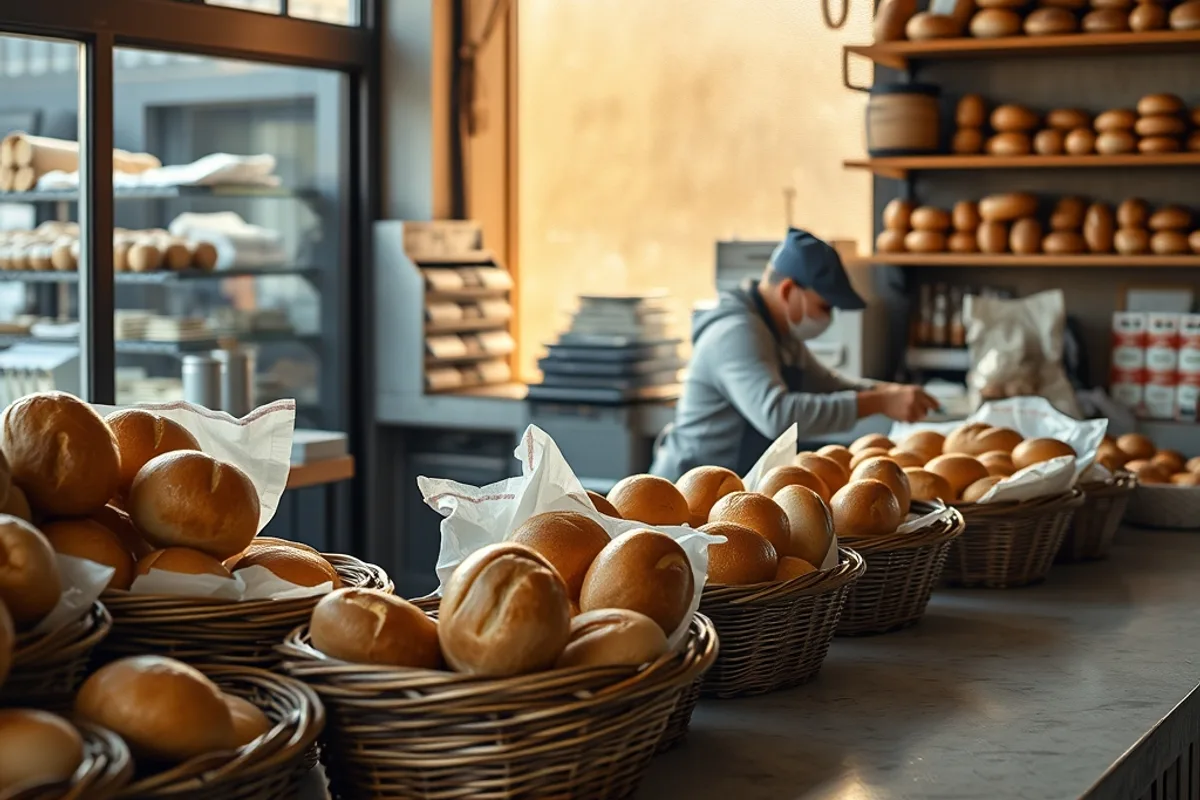
- Retail and processing margins decide what reaches the shelf.
The bottom line
The corridor is real progress. It reopens a route that matters and reduces the risk of a sharp spike. But it is not a switch that resets food prices. The grain still has to be inspected, insured, shipped and paid for, and those steps are slower and more expensive than the announcement suggests.
For a companion piece on how global trade shocks land in ordinary towns, read our report on the housing squeeze in mid-sized cities.